

Key Takeaways
- C’s after weight loss? Here’s what works. Weight loss can make cellulite more apparent, so tackling it might necessitate efforts beyond just losing weight.
- Ameliorating skin laxity and firmness typically requires focused interventions, such as skin-tightening treatments and lifestyle adjustments.
- Water, nutrition, and exercise all help your skin be in better condition, and the less cellulite you will have.
- Pairing creams, professional treatments, and strength training is usually more effective than a singular solution.
- Your genetics are a big factor in cellulite, so results will differ from person to person no matter what you do.
- It’s crucial to set realistic expectations and stay consistent, as most treatments are about reduction, not complete removal.
Cellulite after weight loss can remain resistant even as pounds melt away, and what works to tackle it involves a blend of lifestyle and topical care. A lot of folks experience the most success with strength training, good hydration, and caffeine or retinol creams.
Treatments like massage or laser may do some good, too. To demonstrate what truly works, this guide dissects the research-backed actions and popular supplements for smoother skin post weight loss.
The Weight Loss Paradox
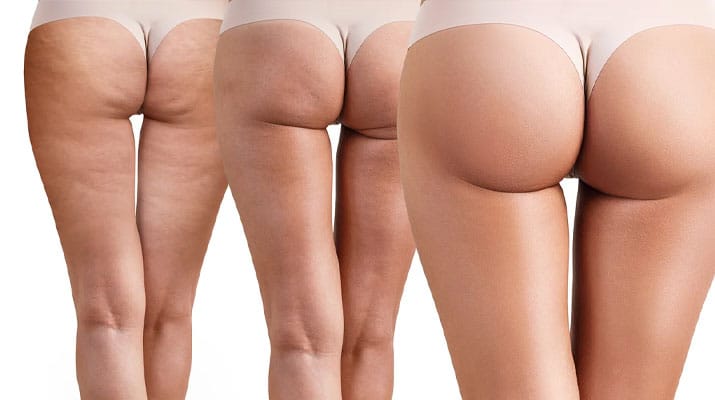
Weight loss typically gives you hope for smoother skin. Cellulite rears its ugly head for most of us. As the body loses fat, the skin doesn’t always retract and results in loose and sagging skin. This is frequent, particularly following deep or fast weight loss.
Up to 90% of women see cellulite, primarily on the thighs, hips, buttocks, and abdomen. The composition of subcutaneous fat changes with weight and alters the appearance of cellulite.
Factors that may worsen cellulite after weight loss include:
- Fast or extreme weight loss is often the result of crash diets or medications.
- Aging, which slows collagen production and skin repair.
- Genetics, affecting skin thickness and elasticity.
- Persistent hypodermal fat that remains after subcutaneous fat reduces.
- Poor hydration that leads to dull, less elastic skin.
It’s a weight loss paradox because losing weight doesn’t necessarily equal smoother skin. Other times, cellulite exacerbates if skin loses firmness or if the deeper fat layer remains while surface fat diminishes.
Cellulite may remain the same or even get better if the deeper fat diminishes more than the surface fat. This paradox is why additional treatment is almost always necessary to treat cellulite post-weight loss.
Skin Laxity
Loose skin is an unfortunate byproduct of losing a lot of weight, particularly when weight loss occurs rapidly or in older adults. The skin stretches to accommodate additional fat, and when fat departs, it does not necessarily ‘snap back’ all the time.
This sagging skin can cause cellulite to be more prominent. Collagen keeps skin firm, but its production decreases as we age, compounding the issue. Older adults tend to notice this the most.
Available treatments that address skin tightening are radiofrequency, ultrasound therapy, and certain body contouring treatments. These could assist in enhancing collagen or tightening loose skin, providing a more firm look.
Lymphatic drainage massage can assist by reducing fluid accumulation and increasing circulation. The effects tend to be short-lived.
Fat Structure
Fat under the skin sits in two layers: subcutaneous and hypodermal. The subcutaneous layer of fat is frequently the first to diminish when fat is lost. If the deeper hypodermal fat remains, the skin on top can appear lumpier.
This uneven fat loss alters the appearance of cellulite, at times making it more prominent. Different parts of the body shed fat faster than others. For instance, cellulite on the thighs and hips tends to be fat storage areas for people, so cellulite in these areas may appear to be worse after weight loss.
Understanding how cellulite varies guides us to design smarter treatment plans. Some therapies are just skin-deep while others penetrate to deeper fat reserves.
Body contouring, radiofrequency, and ultrasound are examples that address fat and skin texture.
Dehydration
| Hydration Strategy | Effect on Skin Quality |
|---|---|
| Drinking more water | Plumper, more elastic skin |
| Using moisturizers | Softer, smoother skin surface |
| Eating water-rich food | Better hydration, less dryness |
Water keeps skin plump and elastic. Wet skin can hide cellulite. Dry or dehydrated skin may make more dimples and bumps visible.
Checking hydration levels is an easy means of helping skin look and feel better, though it won’t erase cellulite. Staying hydrated goes a long way to complement other treatments and keeps skin in tip-top shape.
Effective Solutions
Addressing cellulite post-weight loss requires a combination approach. Results may depend on the type of cellulite, skin health, and duration. A strategy that combines daily rituals, creams, and professional treatments offers the best chance at actual transformation. Here’s a rundown of the key ones that work.
1. Lifestyle Adjustments
Exercise, such as walking, biking, or swimming, enhances circulation and maintains skin’s tautness. Muscle-toning workouts like squats and lunges can even out trouble zones. By consuming more whole grains, fruits, and vegetables, you’re increasing your fiber intake, which promotes great skin texture.
Sipping water during the day keeps skin plump and firm, which could make cellulite less apparent. Maintaining a consistent weight reduces the likelihood of new cellulite developing. Rapid fluctuations in weight can stretch the skin and exacerbate dimpling.
Light massages of the affected areas, either with your hands or a soft brush, can draw more blood to the surface and help disperse fluid retention. This trick is simple enough to include in any daily routine.
2. Topical Applications
A few creams and lotions can assist, particularly those sporting 0.3% retinol. Retinol thickens the skin and evens out dents. It’s most effective if you use it daily for a few months.
Caffeine, peptides, or other active creams can promote skin firmness. Rubbing these products in circular motions can double as a mini-massage, which can help as well.
Slow results and not everyone is going to notice a big transformation. It’s important to monitor progress on a few weeks intervals and record any benefits or side effects.
Though these creams can’t make cellulite disappear, they might just smooth its appearance, particularly when included in a broader strategy.
3. Professional Procedures
Laser and RF treatments heat the deeper layers. This can dissolve hard bands beneath the skin, plumping up dents and restoring a smoother appearance. Certain clinics combine lasers with either suction or massage for enhanced effect.
Cellfina is another option. This one-time, FDA-approved treatment snips the constricting bands that cause the puckering. There is a recovery period and slight swelling or bruising may occur.
A physician or dermatologist can assist in selecting an optimal treatment, considering skin type and cellulite severity. There are advantages and disadvantages to both approaches, so it is wise to discuss all of your options.
4. Strength Training
Strength training for muscle gain, through leg presses, squats or step-ups, can lift and tighten skin. Strengthening the thighs and glutes provides greater shape and can reduce the appearance of dimpled skin.
Combining these moves with cardio usually performs better than either alone. Eventually, additional muscle beneath the skin fills in the lumpy areas and camouflages cellulite.
This technique pairs well with creams or clinic treatments for the maximum impact.
Genetic Predisposition
Genetics determine how prone you are to cellulite, even as you lose weight. Genes can prepare the ground for how fat lays under the skin and tissue connects. These patterns run in families and are not really modified by diet or exercise. Research has discovered that certain individuals, regardless of their size or fitness level, are simply more genetically prone to developing cellulite in specific areas such as the thighs, hips, or buttocks.
Family history is a major indicator. If someone’s immediate family has cellulite that’s showing, their chances increase too. How skin and fat are distributed is often hereditary. If your parent had early cellulite, you might see it early too; others might see it much later or not at all.
Women get cellulite more easily than men because fat, muscle, and skin connect differently. Genes such as ACE and HIF1A have emerged in studies as associated with cellulite risk. Take the HIF1A gene, for example, which contains a variation known as rs11549465 that reduces the risk of cellulite by approximately 40%. At the same time, other gene variations can predispose cellulite to be more likely or more severe.
Genetic predisposition manifests itself in a lot of ways. Somebody with ‘bad genes’ could notice cellulite or extra fat appear prematurely, despite having a solid fitness regimen and a healthy diet. For the rest with “good genes,” cellulite may be very mild or not appear for decades unless behavior—smoking, poor diet or inactivity—throws things off-kilter.
Even so, it’s not all lost for the genetically inclined. Genes have a significant role, but lifestyle remains extremely important. Staying active, eating right and not smoking can slow or reduce the appearance of cellulite, even for those predisposed to it.
Different physiques react their own way to hereditary risk. The table below summarizes how genetic predisposition affects cellulite in various body types:
| Body Type | Genetic Risk Level | Cellulite Severity | Example |
|---|---|---|---|
| Pear-shaped | High | Moderate/Severe | Hips, thighs |
| Apple-shaped | Moderate | Mild/Moderate | Abdomen, arms |
| Athletic build | Low | Mild | Minimal, rare |
| Slim/lean | Variable | Mild | May still appear |
For the strong genetic risk, most treatments provide marginal relief. Creams, massages and devices can smooth skin for a brief period, but they seldom address the underlying genetic factors. A few medical treatments go beyond the surface layers of skin and fat, but outcomes can be patchy and typically fade.
Lifestyle measures such as consuming nutritious foods, hydration, and consistent activity still assist, but they might not completely eliminate cellulite if genetics is the primary factor.
Debunking Myths
Cellulite is discussed frequently, and a lot of it is misinformation. There are many myths out there that make it difficult for people to figure out what really works post weight loss. Here are some common myths and the facts that set things straight:
- Only women get cellulite.
- Thin or fit people don’t get cellulite.
- Cellulite cannot be eliminated once and for all with a cream or home remedy.
- Cellulite is a sign of bad health.
- Expensive spa treatments always work.
- Once you lose weight, cellulite disappears.
Cellulite is not just a female problem. Approximately 90% of women experience cellulite, while approximately 10% of men contend with it. The structure of fat, skin, and tissue in women makes them more susceptible, but no one is safe. Any body type can have it—skinny, fat, athletic, or not.
Even athletes can develop cellulite because it’s not about fat content but how fat, muscle, and skin interconnect.
Neither creams nor home remedies are scientifically supported to get rid of cellulite. Many brands market “miracle” creams or oils, but research doesn’t demonstrate that these aid for long. At best, a few could make skin appear smoother temporarily by hydrating it, but they don’t alter the subcutaneous structure that causes cellulite.
Home remedies such as coffee scrubs or dry brushing are a favorite, but neither offers long-term results or study-proven effectiveness.
It is NOT the case that cellulite is an indicator of poor health either. People of all fitness levels and ages can understand it. Cellulite is the result of a combination of skin and fat thickness and the manner in which connective tissue tugs on the skin.
Weight loss can diminish the appearance of cellulite in some, but it is rarely ever eliminated. Sometimes even with weight loss, skin can appear sagging and cellulite might remain visible. That’s why so many people become frustrated after putting in the effort to lose weight, yet still see cellulite dimples staring back at them.
While some therapies appear promising, not all are equal. Non-invasive options such as radiofrequency-assisted lipolysis can help even out skin, but results aren’t permanent and require multiple sessions.
Strength training not only builds muscle but makes skin firmer, and when combined with treatments addressing the skin’s architecture, the results last even longer. Yet, no technique completely eliminates cellulite.
The bottom line is to seek out evidence-based treatments, not testimonials or marketing.
A Combined Strategy
Tackling cellulite after weight loss usually requires a mixed approach to taking care of skin and body. Many discover that after weight loss, cellulite appears more defined, not less. That’s why the cocktail of lifestyle tweaks and topical selections often beats out the one-and-done solution.
The key is to eat well and move often. A diet heavy in whole foods, lean protein, and fresh fruits and greens will assist your skin in staying strong and regulating those fat cells. Flaxseed is the prime example. It helps in keeping estrogen in check and can assist the body in building collagen, which provides the skin with structure and helps prevent new cellulite from forming.
Coupling this with consistent exercise, both strength work and cardio, can help tone muscles and reduce fat deposits, which can even out the skin’s appearance. Drinking water is an easy but huge component to this scheme. Water assists the body in flushing out waste stored under the skin, which can aid in swelling and give the skin a firmer appearance.
Most adults will require at least 2 liters a day, but more is necessary if you get sweaty or live in warm locations. Topical creams can be part of the equation. Caffeine creams are all the rage for a reason; they assist in shrinking fat cells and extracting water from the region, which can make skin appear taut for several hours.
Aminophylline cream is yet another option. This cream helps dissolve fat in skin cells, so it can be burned more quickly during a workout. Retinol cream is handy as well. It combats free radicals, which are associated with reduced collagen and feeble skin. With the bonus of retinol added, skin can rebuild some of its strength and feel smoother.
Gotu kola extract is less known but researched for cellulite. This botanical extract appears to support circulation and can thicken and strengthen skin, reducing the appearance of dimpling. These creams and plant extracts are easy to weave into a routine, and they’re most effective when used consistently and in combination with a healthy feeding and exercise plan.
What works for one may not work for you, so a personal touch is key. Monitor which steps appear to assist and be prepared to adjust your strategy if progress stalls or skin responds in unexpected manners. Little by little, these small changes accumulate.
Managing Expectations
Cellulite is nothing to scoff at post-weight loss. It’s not easily attackable. The etiology of cellulite is multifactorial and, as such, most treatments are somewhat limited in the extent to which they can provide assistance. We like to believe that once we lose weight, we’re going to have smooth skin, but it’s unlikely that cellulite will be completely removed. Most treatments work on making the bumps less visible, not on eliminating them.
Results with cellulite treatment are not always consistent. Some individuals experience obvious transformations in their skin’s appearance, whereas others simply notice subtle changes. Results can vary based on age, genetics, skin type, and the extent of cellulite. By using scales such as the Cellulite Severity Scale (CSS) or Nürnberger–Müller Scale, you can establish a clear baseline, so you’re able to monitor any shifts.
These scales provide a measured view of the amount of cellulite which makes the goals more tangible and grounded.
Be patient. The results don’t immediately show up. Many treatments, such as manual subcision or energy-based approaches, require weeks or even months to elapse before changes are observed. Often more than one visit is required. For instance, subcision might require two or three sessions weeks apart.
Skin care and massage tools must be used consistently for months to have any impact. Results accumulate over time, so anticipating rapid transformation is foolish.
It’s common to need follow-up visits to maintain the results. Cellulite can return, even with good results. The skin and fat cells can move, or bad behaviors can resurrect the issue. It’s why discussing long-term goals and expectations with a care provider is important.
While others may experience permanent transformation, the majority have to schedule a couple of sessions annually to maintain the skin’s silken appearance.
Side effects are in the mix. Procedures such as manual subcision may result in mild bruising, swelling, or soreness. These consequences are typically transient, but being aware of them prior to diving in helps prevent surprises or concern.
Anyone considering treatment needs to become informed on each possibility — what potential side effects each may cause and how long results can be expected to last.
Conclusion
Reducing cellulite after weight loss requires effort and patience. Skin might not snap back immediately. Your genetics are a big factor, so everyone will get different results. Skinny cellulite is a very real thing—here’s what works. No one fix works for all, but actual gains come from small, steady changes. Avoid grandiose promises or instant solutions. Clear facts help set real goals and maintain hope. Share your own wins or tips and keep the conversation going with others. For additional advice or assistance, consult a skin specialist or a trainer you trust.
Frequently Asked Questions
What causes cellulite to appear after weight loss?
Cellulite after weight loss what works Loose skin and less fat can increase dimpling, particularly if you are genetically prone to cellulite.
Are there treatments that effectively reduce cellulite after weight loss?
Yes, topical creams, massage, radiofrequency, and laser therapy treatments can assist. Results vary and pairing treatments with healthy habits typically yields the most enhancement for most individuals.
Can exercise help get rid of cellulite after losing weight?
It works exercise a eu in appearance cellulite marli cellulite post weight loss what worked. Exercise isn’t going to eliminate all the cellulite, especially if mommy genes are in effect.
Does genetics affect the development of cellulite after weight loss?
Yes, genes are a big factor in cellulite. If your family has cellulite, you’re probably going to have it even after weight loss.
Are there any myths about cellulite after weight loss I should know?
There are a lot of myths, like the fact that only fat people get cellulite. Actually, anyone can have cellulite, even if you’re thin or ripped.
Is it possible to completely remove cellulite after weight loss?
All of the cellulite will not be gone. Virtually all treatments can only diminish its appearance. Having reasonable expectations makes everyone happier in the long run.
What is the best way to manage cellulite after weight loss?
A combined approach works best. Exercise, diet, hydration, and professional treatments if desired are important. Keeping expectations in check keeps you encouraged.