

The lip reduction procedure, a form of aesthetic surgery utilizing advanced plastic surgery techniques, has gained popularity in recent years, with plastic surgeons disclosure often addressing preoperative lips. This cosmetic surgery aims to enhance facial harmony by reducing the size of overly full lips, following specific instructions from a review. Historically, lip procedures were mostly focused on augmentation with specific instructions, but trends have shifted. Many people seek a more balanced look that complements their features through procedures like cosmetic lip lift, planned lip reduction, bikini lip reduction approach, and bikini lip reduction design.
This procedure can boost self-esteem and improve comfort for those who feel their lips are too prominent. It involves removing excess tissue and reshaping the lips for a more proportional appearance. Understanding the benefits and options available, especially for a lip enhancement patient considering a lip lift, is essential for anyone on this transformative journey.
What is Lip Reduction Surgery
Definition
Lip reduction surgery is a cosmetic procedure that aims to decrease the size of the lips. Many people seek this surgery for various reasons. Some feel their lips are too large or disproportionate to their facial features. Others may want to achieve a more balanced look.
Procedure Details
The procedure involves removing excess tissue from the lips. Surgeons carefully assess the lip structure before making any incisions. They focus on creating a natural appearance with lip lift and ensuring symmetry through lip correction surgery. This careful planning helps to avoid complications, such as those in lip lift and lip correction surgery, and achieve desired results.
Target Areas
Surgeons can perform lip reduction on both the upper and lower lips. Each case, including lip lift and lip correction, is unique, depending on the patient’s needs and desires. Some individuals might only want their upper lip reduced, while others may choose to have both lips adjusted. The surgeon discusses these options, including lip lift and lip correction, with the patient during consultations.
Recovery Process
After the surgery, patients typically experience swelling and discomfort. These effects usually subside within a few days. Doctors often recommend ice packs to reduce swelling. Pain medication can help manage discomfort during recovery.
A follow-up appointment helps ensure proper healing. Patients should avoid strenuous activities for at least two weeks post-lip lift surgery. This allows time for the lips to heal properly and reduces the risk of complications.
Risks and Considerations
Like any surgical procedure, lip reduction carries some risks. Possible complications include infection, scarring, or asymmetry. Patients must discuss these risks with their surgeon before proceeding.
Surgeons evaluate each patient’s health history before surgery. This assessment helps identify any underlying issues that could affect recovery. It is crucial for patients to follow pre-operative instructions closely.
Emotional Impact
Many individuals report positive changes after undergoing lip reduction surgery. They often feel more confident in their appearance. A balanced facial structure can enhance self-esteem. However, it is essential for patients to have realistic expectations about the outcomes.
Surgeons encourage open communication throughout the process. Discussing concerns or fears can help ease anxiety related to the procedure. This support is vital for a successful experience.
Preparing for Lip Reduction Surgery
Physical Exam
A pre-surgery physical exam is essential. This assessment helps the plastic surgeon evaluate the patient’s overall health. It also identifies any potential risks associated with the lip reduction procedure. The surgeon will check the medical history and any current medications. This step ensures that the patient is fit for surgery.
Surgeons often look for specific health issues before proceeding. Conditions like high blood pressure or diabetes can affect recovery. If any concerns arise, the surgeon may suggest further tests. These precautions help in planning reduction surgery safely.
Discussing Goals
Patients must discuss their expectations with the surgeon. This conversation includes reviewing desired outcomes from the lip reduction surgery. Clear communication helps align goals between the patient and the surgeon.
The surgeon will explain what is achievable through lip correction surgery. They may show before-and-after photos of previous patients. This visual aid helps set realistic expectations. Understanding the limits of cosmetic surgeries is crucial for satisfaction post-operation.
Preoperative Instructions
Specific pre-surgery instructions are critical for a smooth process. Patients typically need to stop smoking at least two weeks before surgery. Smoking can hinder healing and increase complications.
Surgeons may also adjust medications prior to the procedure. Certain drugs, such as blood thinners, can lead to excessive bleeding during surgery. Patients should inform their surgeon about all medications they are taking.
Patients might receive guidelines on diet and hydration leading up to the surgery date. Following these instructions can enhance recovery and results from lip augmentation surgery.
Emotional Preparation
Emotional readiness plays a role in preparing for lip reduction cheiloplasty. Patients should feel comfortable with their decision and understand the process involved. Support from family and friends can provide encouragement through this journey.
e patients experience anxiety before cosmetic facial surgery. Engaging in relaxation techniques or seeking counseling can be beneficial. This preparation aids in reducing stress levels prior to the operation.
Recovery Planning
Planning for recovery is just as important as preparing for surgery itself. Patients should arrange for someone to assist them post-operation. Having support helps manage pain and follow care instructions effectively.
Surgeons often provide detailed aftercare instructions. These guidelines help ensure proper healing and optimal results from lip augmentation surgery.
The Surgical Process Explained
Anesthesia Administration
Local anesthesia is given on the day of the surgery. This numbs the lips and surrounding areas. Patients remain awake during the procedure. The surgeon ensures comfort throughout the process. This approach minimizes pain and discomfort.
Incision Steps
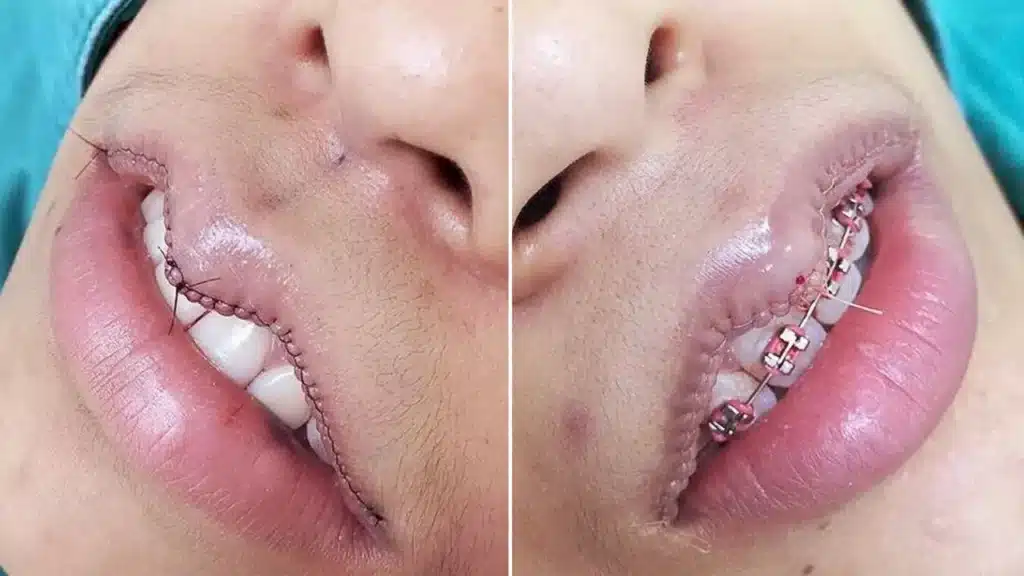
The first step involves making incisions inside the lips. This placement hides any visible scars. Surgeons carefully remove extra skin and tissue from the lip area. They focus on achieving a natural look. Removing excess tissue helps create a more refined shape.
Closing the Procedure
After removing tissue, surgeons close the incisions with stitches. These stitches are often dissolvable. This means patients do not need to return for stitch removal. Proper closure reduces scarring and promotes healing.
Desired Outcomes
The goal of this cosmetic procedure is clear. Surgeons aim for slimmer, more balanced lips. Many patients seek this change for aesthetic reasons. A well-proportioned lip enhances facial harmony. It boosts self-confidence in many individuals.
Post-Procedure Care
Patients receive specific instructions after surgery. These guidelines ensure proper healing and recovery. Common advice includes avoiding strenuous activities and following a soft diet. Pain management may also be discussed.
Recovery Timeline
Most patients see initial swelling reduce within a week. Full recovery may take several weeks to months. Following care instructions is crucial during this time.
Importance of Surgeon Selection
Choosing an experienced surgeon is vital for success. Researching qualified plastic surgeons can help ensure safety and desired results. Understanding their credentials and past work is essential.
Aesthetic Surgery Disclosure
Surgeons should provide an aesthetic plastic surgery disclosure before the procedure. This document outlines risks, benefits, and expected outcomes. Patients should read it carefully and ask questions.
Duration of Lip Reduction Surgery
Procedure Time
Lip reduction surgery typically takes about one hour to complete. This timeframe includes the actual surgical work and preparation. Surgeons aim for efficiency while ensuring safety and precision.
The duration may vary slightly based on individual cases. Factors like the complexity of the procedure or the patient’s anatomy can influence how long it takes. Some patients might require additional time for specific adjustments.
Outpatient Status
This surgery is generally a quick outpatient procedure. Patients do not need to stay overnight in a hospital. After the operation, they can return home the same day. This aspect makes it more convenient for many individuals.
Surgeons perform lip reduction under local anesthesia or sedation. This choice helps patients feel comfortable during the surgery. They remain awake but relaxed throughout the process.
Recovery Timeline
Recovery from lip reduction surgery varies by person. Most patients can expect some swelling and bruising after the procedure. These effects usually start to improve within a few days.
Full recovery takes longer. Patients often return to normal activities within one to two weeks. Following post-operative care instructions is crucial for optimal healing.
Surgeons provide guidelines for care after surgery. These may include avoiding strenuous activities and following a specific diet. Patients should adhere to these instructions for a smoother recovery.
Follow-Up Visits
Surgeons schedule follow-up visits to monitor healing progress. Typically, this occurs within a week after surgery. During these appointments, surgeons check for any complications and assess the results.
Patients can discuss any concerns they have during these visits. Open communication helps ensure that everything is healing correctly.
Post-Operative Care and Recovery
Incision Care
Caring for the incision site is crucial after a lip reduction procedure. Keep the area clean and dry to prevent infection. Your provider will give specific instructions on how to clean the site. Usually, gentle washing with mild soap is recommended. Avoid using creams or ointments unless advised.
Swelling is common after surgery. To manage this, apply ice packs to the lips for 15-20 minutes every hour. This helps reduce inflammation and discomfort. Elevating your head while resting can also minimize swelling.
Dietary Changes
Diet plays a significant role in recovery. Eating soft foods is essential during the first few days. Foods like yogurt, applesauce, and mashed potatoes are good options. Hard or crunchy foods can irritate the incision site and should be avoided.
Minimize talking or smiling as much as possible. This reduces strain on the lips and allows for better healing. If you must talk, do so in short bursts to avoid discomfort.
Pain Management
Pain management is an important part of recovery. Your provider may prescribe pain relievers to help manage discomfort. Over-the-counter medications can also be effective but consult your provider before taking them.
Antibiotics might be prescribed to prevent infection. It’s vital to take them as directed. Completing the full course ensures that any potential infection is fully addressed.
Follow-Up Appointments
Follow-up appointments are essential for assessing postoperative results. These visits allow your provider to check on the healing process and make sure everything is progressing well. They can address any concerns you may have during these visits.
Plan to attend all scheduled follow-ups. These appointments are a key part of ensuring a smooth recovery process.
Safety and Efficacy of Lip Reduction
Patient Satisfaction
Studies show that lip reduction procedures have a high success rate. Many patients report feeling satisfied with their results. A survey indicated that over 80% of individuals who underwent the procedure felt it met their expectations. This satisfaction stems from achieving a more balanced facial appearance.
Patients often appreciate the change in their overall look. They feel more confident and comfortable after the surgery. Positive feedback highlights the importance of setting realistic goals before the procedure. Patients should discuss their desires clearly with their surgeon to ensure alignment.
Qualified Surgeons
The safety of lip reduction is paramount. The procedure is generally safe when performed by a qualified surgeon. Board-certified plastic surgeons have the necessary training and experience. They can minimize risks associated with surgery, such as infections or complications.
Surgeons use various techniques during the procedure. Each method aims to remove excess tissue effectively while preserving natural lip shape. Patients should verify a surgeon’s credentials before proceeding. Researching reviews and testimonials can also help in selecting a qualified professional.
Post-Operative Care
Following post-operative care instructions is crucial for optimal results. After surgery, patients receive specific guidelines to follow. These may include avoiding certain activities and using prescribed medications.
Swelling and bruising are common after the procedure. Patients should expect these symptoms but can manage them with ice packs and rest. Staying hydrated also aids in recovery. Proper care helps reduce complications and promotes healing.
Ignoring post-operative instructions can lead to unwanted outcomes. For example, some patients might experience asymmetry or prolonged swelling if they don’t follow guidelines closely. Adhering to recommendations ensures a smoother recovery process.
Complications Awareness
While lip reduction is generally safe, some complications can arise. Patients considering this procedure should be aware of potential risks. Common issues include infection, scarring, or dissatisfaction with results.
Discussing these risks with a surgeon beforehand is essential. Understanding possible complications allows for informed decision-making. Surgeons can provide insights into how often these issues occur based on their experience.
Overall, awareness of both benefits and risks leads to better patient experiences. Those who approach the procedure thoughtfully tend to enjoy positive outcomes.
Potential Risks and Contraindications
Possible Risks
Lip reduction procedures carry certain risks. Infection is a primary concern. Bacteria can enter the incision site, leading to complications. Surgeons often prescribe antibiotics to reduce this risk.
Scarring is another potential issue. While surgeons aim for minimal scarring, some patients may experience visible marks after healing. Proper wound care can help minimize this risk.
Asymmetry is also a possibility. The goal of the procedure is to create balanced lips. However, variations in healing may result in unevenness. Patients should discuss their concerns about symmetry with their surgeon beforehand.
Contraindications
Certain factors can make someone an unsuitable candidate for lip reduction. Individuals with specific medical conditions should approach this procedure with caution. Conditions like uncontrolled diabetes or autoimmune disorders can complicate healing.
Allergies to anesthesia present another risk. Some patients may react negatively to local anesthetics used during the procedure. Discussing any known allergies with the surgeon is crucial before proceeding.
Importance of Communication
Discussing medical history with the surgeon is vital. Surgeons need complete information about past surgeries, medications, and health issues. This helps them assess whether a patient is a suitable candidate for lip reduction.
Patients should voice any concerns they have regarding the procedure. Clear communication allows the surgeon to address questions and outline realistic expectations. Understanding risks and contraindications helps patients make informed decisions.
Surgeons often provide detailed instructions post-surgery to ensure proper recovery. Following these guidelines is essential for minimizing risks and achieving desired outcomes.
Key Anatomical Factors
Lip Anatomy
Understanding a patient’s lip anatomy is crucial for successful outcomes in lip reduction procedures. Each person’s lips have unique features, including thickness, shape, and symmetry. These factors directly influence the final result of the surgery. A thorough assessment helps surgeons create a tailored plan that meets the patient’s expectations.
Thickness and Shape
Lip thickness plays a significant role in determining the overall appearance of the mouth. Some patients may seek to reduce excessive fullness. Others might want to enhance their natural shape while still reducing size. The surgeon must consider how much tissue to remove to maintain a balanced look.
The shape of the lips also matters. Different shapes can convey different emotions or aesthetics. For example, fuller upper lips can create a youthful appearance, while thinner ones might suggest elegance. Surgeons evaluate these aspects carefully to ensure that the changes align with the patient’s desired outcome.
Symmetry Importance
Symmetry is another critical factor in lip reduction procedures. Uneven lips can affect a person’s smile and overall facial harmony. Surgeons assess both sides of the lips to determine how to achieve balance. They often use precise measurements to guide their work.
Achieving symmetry requires skill and experience. A surgeon must know how to manipulate tissue effectively while maintaining natural contours. This expertise helps prevent complications like uneven healing or unnatural-looking results.
Surgical Expertise
Surgeons bring years of training and practice to lip reduction procedures. Their experience allows them to assess anatomical factors accurately. They understand how variations in lip anatomy can impact surgical techniques and outcomes.
Successful surgeons communicate openly with patients about their goals and concerns. They explain how specific anatomical features will influence the procedure. This conversation builds trust and ensures everyone is on the same page.
Surgeons also stay updated on new techniques and technologies in cosmetic surgery. This knowledge enhances their ability to perform precise procedures tailored to individual needs.
In summary, understanding key anatomical factors is essential for achieving successful results in lip reduction procedures. The interplay between lip thickness, shape, and symmetry informs surgical planning. Surgeons’ expertise in assessing these elements ensures that patients receive personalized care aimed at enhancing their appearance while minimizing risks.
Specialized Techniques in Lip Reduction
Laser Techniques
Laser-assisted lip reduction offers a modern approach to lip reduction procedures. This technique uses focused laser energy to reduce lip size. The precision of lasers minimizes damage to surrounding tissues. Patients often experience less swelling and quicker recovery times.
This method also enhances the accuracy of the procedure. Surgeons can target specific areas with great detail. As a result, patients achieve more natural-looking results. Many choose this option for its effectiveness and efficiency.
Incision Patterns
Surgeons customize incision patterns based on individual needs. Different patterns include horizontal, vertical, or even zig-zag shapes. Each design allows for tailored adjustments to lip size and shape.
The choice of incision impacts healing and scarring. A skilled surgeon will select the best pattern for each patient. This ensures optimal aesthetic results while minimizing visible scars. Understanding these options is crucial for anyone considering lip correction.
Skilled Surgeons
Choosing a surgeon skilled in various lip reduction techniques is essential. Experience plays a significant role in achieving desired outcomes. Surgeons familiar with multiple methods can adapt their approach as needed.
For instance, some may specialize in the bikini lip reduction technique. This method focuses on creating a natural contour by removing excess tissue from the center of the lips. Others may prefer traditional surgical options or advanced techniques like laser-assisted methods.
Patients should research potential surgeons thoroughly. Reviews and before-and-after photos can provide insight into their expertise. A consultation is also vital to discuss goals and expectations.
Recovery Considerations
Post-procedure care is critical for successful lip reduction. Following the surgeon’s guidelines helps ensure proper healing. Patients should expect some swelling and bruising initially. Over-the-counter pain relief can manage discomfort effectively.
It’s important to avoid strenuous activities during recovery. Staying hydrated and maintaining a balanced diet aids in healing too. Most individuals return to normal activities within a week or two.
Emotional Impact
The decision to undergo lip enhancement procedures often stems from personal feelings about appearance. Many seek lip reduction to boost confidence and self-esteem. Real-life experiences show that positive changes can significantly impact one’s life.
People report feeling more satisfied with their overall look after the procedure. This emotional lift is an essential aspect of cosmetic surgery.
Closing Thoughts
Lip reduction surgery can reshape your appearance and boost your confidence. By understanding the process, preparation, and aftercare, you set yourself up for a smoother experience. Safety is key, and knowing potential risks helps you make informed decisions. Specialized techniques ensure you get the best results tailored to your needs.
If you’re considering this procedure, consult with a qualified surgeon. They can guide you through the journey, answer your questions, and help you achieve the look you desire. Don’t hesitate—take that first step toward a more balanced smile today!
Frequently Asked Questions
What is lip reduction surgery?
Lip reduction surgery is a cosmetic procedure designed to decrease the size of the lips. It enhances facial harmony by creating a more balanced appearance.
Who is a good candidate for lip reduction?
Ideal candidates are those unhappy with their lip size or proportion. A consultation with a qualified surgeon will help determine suitability based on individual goals and anatomy.
How long does the procedure take?
Lip reduction surgery typically takes about one to two hours. The duration may vary depending on the complexity of the case and the techniques used.
What can I expect during recovery?
Post-operative care includes swelling and bruising, which usually subside within a week. Most patients return to normal activities within 1-2 weeks, but full recovery can take longer.
Are there risks associated with lip reduction?
As with any surgical procedure, risks include infection, scarring, and asymmetry. Discuss potential complications with your surgeon to make an informed decision.
How can I prepare for the surgery?
Preparation involves consultations, medical evaluations, and following pre-operative instructions. Avoid blood thinners and smoking to reduce complications.
What techniques are used in lip reduction?
Surgeons may use various techniques, including wedge excision or linear resection. The choice depends on desired outcomes and individual anatomy, ensuring optimal results.