

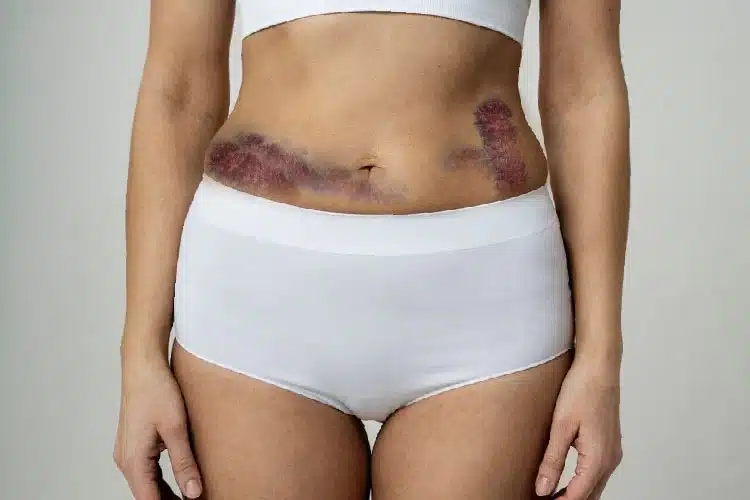
Liposuction can reshape your body and boost your confidence. However, it’s crucial to understand the potential liposuction complications that can arise from cosmetic surgery procedures and other cosmetic procedures, as well as its role as a weight loss procedure or lipectomy. These liposuction risks can range from minor issues like swelling and bruising after liposuction operations to more serious concerns such as infection or blood clots from liposuction procedures tumescent liposuction, a cosmetic procedure. Knowing the risks helps you make informed decisions.
Many people overlook these liposuction risks and complications in their excitement for a new look after the liposuction procedure. It’s vital for men to weigh the benefits of liposuction against the possible risks and downsides. Consulting with a qualified surgeon can help men navigate these liposuction risks effectively. Awareness of liposuction complications is key to ensuring a smoother recovery and achieving your desired results.
Overview of Liposuction Risks
General Risks
Liposuction carries several risks. These include infection, bleeding, and anesthesia complications. Infection can occur at the incision sites. Symptoms may include redness, swelling, and fever. Bleeding can happen during or after the procedure. This might require additional treatment to control.
Anesthesia poses its own risks. Some patients may have allergic reactions or breathing issues. Blood clots are another concern. They can form in the legs and travel to the lungs, causing serious problems, including liposuction risks.
Fluid accumulation is also possible. This condition, known as seroma, may require drainage. Skin irregularities can result from uneven fat removal. Patients might notice bumps or depressions on their skin.
Importance of Understanding Complications
Understanding potential complications is crucial before undergoing liposuction. Many patients focus on the benefits of a slimmer body from suction but overlook the risks involved. Knowledge empowers patients to make informed decisions about their health.
Complications can vary in severity. Some may resolve quickly while others could lead to long-term issues. Discussing these risks with a healthcare provider helps set realistic expectations. It also prepares patients for what to watch for post-surgery, including suction.
Patients should consider their overall health before surgery. Certain conditions like heart disease or diabetes increase risks. A thorough understanding of these factors ensures better outcomes.
Consultation with Qualified Surgeons
Consultation with a qualified surgeon is essential. A skilled professional provides valuable insights into the suction procedure and its risks. They assess individual health history and explain potential complications clearly.
Surgeons should discuss all aspects of the surgery, including suction, recovery time, and aftercare. Patients must feel comfortable asking questions about their concerns. This dialogue builds trust between patient and surgeon.
Choosing a board-certified surgeon reduces risks significantly. Certification indicates training and experience in liposuction procedures. Researching a surgeon’s background helps ensure safety during surgery.
Common Complications
Contour Irregularities
Contour irregularities can occur after liposuction. These irregularities may affect the smoothness of the skin. Sometimes, they can be permanent. Uneven fat removal through suction leads to lumps or depressions on the surface. Patients may notice these changes soon after surgery. In some cases, revisions are necessary to improve the appearance.
Surgeons use suction techniques to minimize these issues during the procedure. However, individual healing processes vary. Some patients might not achieve their desired results. Therefore, it is crucial to discuss suction expectations with a surgeon beforehand.
Fluid Buildup
Fluid buildup, known as seromas, can happen post-surgery. This condition occurs when fluid collects in the spaces left behind after fat removal by suction. Seromas can cause swelling and discomfort. They may also delay the healing process.
In many cases, seromas require drainage. Physicians often use a needle to remove excess fluid. This procedure is usually quick and straightforward. Draining helps reduce swelling and prevents further complications.
Patients should monitor their recovery closely for signs of fluid buildup and suction. Prompt attention and suction can minimize long-term effects and lead to better outcomes.
Numbness and Nerve Irritation
Numbness is another common complication after liposuction. Some patients experience temporary numbness in treated areas. This sensation occurs due to nerve irritation from suction during the procedure. Most cases resolve within weeks or months.
However, some individuals may face permanent numbness or altered sensations. This outcome happens when nerves sustain damage during surgery. Patients should report any unusual feelings to their healthcare provider.
Understanding these potential complications is essential for anyone considering liposuction. Proper care, suction, and communication with medical professionals can help manage risks effectively.
Rare Risks
Internal Puncture
Internal puncture is a serious risk during liposuction. Surgeons use cannulas to remove fat. If these instruments puncture internal organs with suction, it can lead to severe complications. This situation requires immediate medical attention. An internal puncture can cause bleeding or infection. Patients may need emergency surgery to repair the damage. Without quick intervention, this could be life-threatening.
Fat Embolism
Fat embolism is another rare but critical risk associated with liposuction. This occurs when fat particles enter the bloodstream. These particles can travel to the lungs or brain. Once there, they can block blood flow, leading to severe consequences. In the lungs, this can cause difficulty breathing and low oxygen levels. In the brain, it may result in confusion, seizures, or even stroke. The symptoms of fat embolism often appear suddenly after surgery. Immediate treatment is crucial for survival.
Kidney and Heart Problems
Large volume liposuction increases the risk of kidney and heart issues. Removing too much fat at once can disrupt fluid balance in the body. This disruption can lead to electrolyte imbalances, affecting heart function. Patients may experience irregular heartbeats or increased blood pressure. Kidneys may struggle to filter waste properly due to sudden changes in body weight. Monitoring during and after the procedure is essential to prevent these complications.
Weight Changes
Weight changes can also pose risks following liposuction. Patients might expect immediate results but must understand that weight loss varies significantly among individuals. Some may regain weight quickly if they do not maintain a healthy lifestyle post-surgery. This can lead to dissatisfaction with results and emotional distress.
Salt Water Complications
Surgeons sometimes use saline solutions during liposuction procedures. While this helps with fat removal, it also introduces risks related to salt water retention. Excessive salt water can lead to swelling and fluid overload in the body. This condition may strain the heart and kidneys, leading to further complications.
Preparing for the Procedure
Pre-Surgery Consultations
Patients must have a thorough consultation before the cosmetic procedure. This meeting helps to discuss individual risks and expectations. Surgeons should explain the technique used in liposuction. They need to go over potential complications, including infection or bleeding. Understanding these risks can help patients make informed decisions.
During this time, patients should ask questions. They can inquire about anesthesia options and how it will affect them. Discussing recovery time is also crucial. Knowing what to expect can ease anxiety about the surgery.
Medical Evaluations
Undergoing necessary medical evaluations is essential. Doctors may require blood tests to assess overall health. These tests help identify any underlying conditions that could complicate the treatment. Patients with certain health issues may need additional care during the procedure.
A physical exam is also vital. It allows doctors to evaluate if the patient is a good candidate for liposuction. This evaluation ensures that patients are prepared for the suction process involved in the surgery.
Lifestyle Adjustments
Lifestyle changes can significantly impact recovery and results. Quitting smoking is one of the most important adjustments. Smoking can slow down healing and increase the risk of complications like poor blood circulation.
Maintaining a healthy diet is equally important. A balanced diet supports overall health and prepares the body for surgery. Patients should focus on consuming fruits, vegetables, lean proteins, and whole grains. Staying hydrated also aids in recovery.
Engaging in regular physical activity can help as well. Exercise strengthens muscles and improves circulation, which benefits healing after the procedure. However, patients should consult their doctors about safe activities before surgery.
Post-Procedure Garments
Wearing compression garments after the procedure is necessary for optimal results. These garments help reduce swelling and provide support to healing areas like arms or abdomen. Patients should follow their surgeon’s instructions regarding when to wear them and for how long.
Surgeons usually recommend wearing these garments for several weeks post-surgery. This practice ensures proper skin retraction and minimizes discomfort during recovery.
Pain Management
Pain management is another critical aspect of preparation. Surgeons often prescribe medicines to alleviate discomfort after the procedure. Understanding how these medicines work can help patients manage their pain effectively.
Patients should discuss any concerns about pain relief methods with their surgeons beforehand. Knowing what to expect can prepare them for recovery.
What to Expect During Liposuction
Procedure Steps
Performing liposuction involves several key steps. First, the surgeon marks the areas for fat removal. This ensures precision during the actual liposuction procedure. Next, the patient receives anesthesia. This can be local or general, depending on the extent of the surgery.
After anesthesia takes effect, the surgeon makes small incisions in the skin. These incisions are typically less than half an inch long. A thin tube called a cannula is inserted through these incisions. The cannula helps in breaking up and suctioning out fat. The surgeon may use traditional liposuction techniques or modern liposuction methods like tumescent liposuction.
The entire process can take from one to several hours. It varies based on the volume of fat removed and the areas treated. For large volume liposuction, the procedure may last longer.
Anesthesia Types
Anesthesia plays a crucial role in liposuction surgery. Local anesthesia numbs only the targeted area. Patients remain awake but feel no pain. General anesthesia, however, puts patients to sleep during the operation. This option is often used for larger procedures.
Surgeons assess each patient’s needs before deciding on anesthesia type. Factors include the amount of fat to be removed and the patient’s comfort level. Proper anesthesia contributes to a smoother experience for liposuction patients.
Post-Operative Expectations
Immediately after surgery, patients enter a recovery area for monitoring. They may feel groggy if general anesthesia was used. Pain and swelling are common after body liposuction. Doctors often prescribe pain relief medications to ease discomfort.
Patients receive instructions for post-operative care. Wearing compression garments helps reduce swelling and supports healing. The recovery period varies among individuals but usually lasts a few weeks.
Most patients can resume light activities within a few days. However, strenuous exercise should be avoided for at least two weeks. Liposuction results become more visible as swelling decreases over time.
Patients should attend follow-up appointments with their surgeon. These visits help monitor healing and address any concerns.
Post-Surgery Care and Monitoring
Importance of Care
Following surgery, post-operative care is crucial. Patients must adhere to their surgeon’s instructions for optimal recovery. This includes managing pain, caring for incisions, and monitoring swelling. Proper care can significantly reduce the risk of complications.
Surgeons provide guidelines about medications and wound care. These details ensure a smoother recovery process. Ignoring these instructions can lead to unwanted issues. For example, not keeping the area clean may result in infection.
Signs of Infection
Monitoring for signs of infection is essential after liposuction. Patients should watch for redness, increased swelling, or discharge from the incision sites. Fever may also indicate a problem. If any of these symptoms occur, contacting the surgeon immediately is vital.
Infections can delay recovery and lead to further complications. They might require additional treatments or even surgery. Early detection is key to preventing serious health issues.
Follow-Up Appointments
Regular follow-up appointments with the surgeon are necessary during recovery. These visits allow the surgeon to assess healing and address any concerns. The first appointment usually occurs within a week after surgery.
During follow-ups, the surgeon checks for proper healing and discusses any discomfort. This communication helps patients understand what to expect as they recover. It also provides an opportunity to discuss exercise and activity levels post-surgery.
Exercise Guidelines
Surgeons often recommend a gradual return to exercise after surgery. Light activities may begin within a few days, but strenuous exercise should wait longer. Straining too soon can affect healing and results.
Patients should listen to their bodies during recovery. If discomfort occurs while exercising, it’s important to stop immediately. Discussing exercise plans with the surgeon ensures safety and effectiveness.
Time for Recovery
Recovery time varies based on the type of liposuction performed and individual health factors. Most patients can return to normal activities within a few weeks. However, full results may take several months to appear.
Understanding this timeline helps manage expectations. Patience is important as the body heals and adjusts after surgery.
Clinical Impact of Complications
Long-term Effects
Complications from liposuction can lead to serious long-term health issues. These may include persistent pain, infection, or skin irregularities. Some patients experience fluid accumulation known as seromas. This can cause swelling and discomfort long after the surgery.
Scarring is another potential complication. It can affect how a person feels about their appearance. In severe cases, complications may require additional surgeries for correction. These follow-up procedures can lead to more risks and complications. Therefore, understanding these long-term effects is crucial for anyone considering liposuction.
Psychological Impact
Aesthetic dissatisfaction can have a significant psychological impact. Many people undergo liposuction to improve their body image. If complications arise, they might not achieve the desired results. This can lead to feelings of disappointment and frustration.
Patients may experience anxiety or depression due to unsatisfactory outcomes. They might feel self-conscious about their bodies, which affects social interactions. Support from mental health professionals can be essential in these situations. Addressing emotional well-being is just as important as physical recovery.
Importance of Early Detection
Early detection of complications is vital for effective treatment. Recognizing symptoms right away can prevent further issues. Patients should monitor their recovery closely. Signs like unusual swelling, redness, or fever should not be ignored.
Regular follow-up appointments with healthcare providers are essential. Doctors can assess recovery progress and identify any problems early on. This proactive approach helps in managing complications before they worsen.
In summary, understanding the clinical impact of liposuction complications is critical. Long-term health effects can significantly alter a patient’s quality of life. The psychological toll of aesthetic dissatisfaction cannot be overlooked either. Patients must prioritize early detection and treatment to ensure a smoother recovery process.
Managing Risks Effectively
Surgeon Selection
Choosing a board-certified surgeon is crucial. This decision impacts the overall safety of the procedure. Surgeons with proper credentials have undergone extensive training. They understand the complexities of liposuction and its complications.
Experience matters in this field. A seasoned surgeon has likely handled various cases. They can anticipate potential issues and manage them effectively. Research their background and read patient reviews. This ensures you are in capable hands.
Pre-Surgery Guidelines
Following pre-surgery guidelines can reduce risks. Patients should stop smoking weeks before the procedure. Smoking affects blood flow, which is vital for healing.
Staying hydrated is also essential. Proper hydration supports skin elasticity and recovery times. Patients must inform their surgeons about medications they take. Some drugs can increase bleeding or interfere with anesthesia.
Diet plays a role too. Eating nutritious foods helps prepare the body for surgery. A balanced diet strengthens the immune system and promotes better recovery.
Post-Surgery Care
Adhering to post-surgery instructions is equally important. Surgeons provide guidelines to follow after the procedure. These may include wearing compression garments to reduce swelling.
Resting adequately aids recovery as well. Patients should avoid strenuous activities for several weeks. This allows the body to heal without complications.
Monitoring for signs of infection is critical. Symptoms like increased pain, redness, or fever require immediate attention. Early detection can prevent serious issues.
Realistic Expectations
Setting realistic expectations is key to satisfaction. Liposuction reshapes the body but does not guarantee perfection. Understanding what the procedure can achieve helps in making informed decisions.
Patients should discuss goals with their surgeons during consultations. Open communication clarifies what changes are possible and what isn’t.
It’s important to remember that results may vary based on individual factors. Genetics, skin elasticity, and lifestyle choices all play a role in outcomes.
Informed Decision-Making
Informed decision-making leads to better results. Patients must research liposuction thoroughly before proceeding. Knowing the risks and benefits helps individuals weigh their options carefully.
Discussing concerns with healthcare providers fosters understanding. They can provide insights into complications and how they relate to each patient’s situation.
Support from family and friends can also be beneficial during this time. Having a strong support system helps patients feel more secure in their choices.
Role of Healthcare Team
Multidisciplinary Approach
A multidisciplinary approach is crucial in liposuction procedures. This team includes surgeons, nurses, and anesthesiologists. Each member plays a specific role. Surgeons perform the procedure and ensure that it meets the patient’s needs. Nurses provide care before, during, and after surgery. They monitor vital signs and assist with recovery. Anesthesiologists manage anesthesia to keep patients comfortable and safe.
Effective collaboration among these professionals is essential. They share information about the patient’s health history. This helps identify any potential complications early on. Each team member contributes their expertise to enhance patient outcomes.
Ensuring Patient Safety
The healthcare team prioritizes patient safety throughout the liposuction process. They conduct thorough assessments before surgery. This includes reviewing medical history and performing physical examinations. Such evaluations help determine if the patient is a good candidate for the procedure.
During surgery, the team monitors the patient’s condition closely. They watch for any signs of complications, such as excessive bleeding or adverse reactions to anesthesia. Quick responses can significantly reduce risks. After surgery, nurses continue to observe patients for any issues that may arise during recovery.
Safety protocols are also in place at hospitals and clinics. These institutions follow strict guidelines to minimize risks associated with liposuction. Regular training ensures that all staff members are aware of current practices.
Clear Communication
Clear communication between patients and healthcare providers is vital. Patients should feel comfortable discussing their concerns and expectations. This openness helps build trust and understanding.
Before surgery, healthcare providers explain the procedure thoroughly. They discuss potential complications and what to expect during recovery. Patients should ask questions if anything is unclear. Understanding the process can alleviate anxiety.
After surgery, communication remains important. Patients need to report any unusual symptoms or discomfort immediately. The healthcare team must provide clear instructions on post-operative care. This guidance helps prevent complications and promotes healing.
Patients should also be informed about follow-up appointments. These visits allow the healthcare team to monitor progress and address any issues promptly.
Closing Thoughts
Liposuction can reshape your body, but it’s crucial to understand the risks involved. You’ve learned about common and rare complications, preparation steps, and post-surgery care. This knowledge empowers you to make informed decisions and manage your health effectively.
Your healthcare team plays a vital role in minimizing risks. Trust their expertise and communicate openly. Stay proactive in your recovery and follow their advice closely. If you’re considering liposuction, weigh the benefits against potential complications. Knowledge is power, so keep researching and asking questions. Your journey to a better you starts with informed choices.
Frequently Asked Questions
What are the main risks of liposuction?
Liposuction risks include infection, scarring, fluid accumulation, and anesthesia complications. Understanding these risks helps in making informed decisions.
How can I prevent complications from liposuction?
To minimize complications, choose a qualified surgeon, follow pre-operative instructions, and maintain a healthy lifestyle before and after the procedure.
What should I expect during recovery?
Expect swelling and bruising post-surgery. Follow your surgeon’s guidelines for care, including wearing compression garments and attending follow-up appointments.
Are there any long-term effects of liposuction?
Potential long-term effects include changes in skin texture or contour. Maintaining a stable weight is crucial for lasting results.
How often do complications occur with liposuction?
Complications are relatively rare but can occur in about 1-5% of cases. Choosing an experienced surgeon significantly reduces this risk.
What role does the healthcare team play in managing risks?
The healthcare team ensures thorough pre-operative assessments, monitors during surgery, and provides post-operative care to mitigate risks effectively.
When should I contact my doctor after liposuction?
Contact your doctor if you experience severe pain, excessive bleeding, or signs of infection such as fever or unusual swelling. Prompt attention is essential.