
Key Takeaways
- Anticipate metabolic and hormonal shifts once discontinuing Ozempic that induce hunger and decrease metabolism. Track your weight and tweak calories and macros to your new energy requirements.
- To maintain lean mass, focus on protein and strength training, monitor body composition, and gradually increase load.
- Maintain your sculpted body post-Ozempic with a balanced regimen of strength training, cardio, flexibility exercises, hydration, and 7 to 9 hours of sleep to promote skin elasticity, muscle recovery, and sustained weight loss.
- Prefer solid, sustainable nutrition to crash diets. Include collagen-supporting vitamins and minerals. Eat with portion control and mindfulness to minimize fat regain and promote skin health.
- To combat the psychological effects of body changes, set realistic goals, track progress in photos and measurements, practice self-compassion, and avoid comparing yourself to idealized images.
- If necessary, speak with experts about both non-surgical and surgical skin-tightening or contouring options, considering risk, recovery time, and potential combination treatments as a customized approach.
How to maintain a sculpted physique post-Ozempic is a strategy integrating stable nutrition, consistent strength training, and quality sleep.
To retain your muscle mass, you need sufficient protein, two to four times weekly progressive resistance training sessions, and everyday movement to keep your metabolism maximized. Tracking calories with a slight deficit or maintenance is great for preserving shape.
Routine follow-up with a clinician facilitates safe medication adjustments and manages side effects impacting appetite and energy.
The Post-Drug Reality
Discontinuing Ozempic triggers biological shifts that alter how your body stores fat, burns energy, and retains tissues. Anticipate metabolic and hormonal shifts, maybe some loose skin post-fast drop, and new habits to maintain that chiseled physique. The following sections summarize what to look out for and what you should do.
Metabolic Shift
Metabolism can decelerate as GLP-1’s impact diminishes. That means calories that used to maintain weight can now cause fat gain. Track weight and body composition weekly initially. A good scale and the occasional bioelectrical impedance or DEXA, if convenient, can help differentiate fat from lean mass.
Adjust calorie targets to match the new rate by reducing intake moderately rather than crash dieting. Re-balance macronutrients by maintaining protein high at roughly 1.6 to 2.2 grams per kilogram of body weight to spare muscle, setting fat at approximately 25 to 35 percent of calories, and topping off with whole-food carbohydrates.
Hydration is key, so sip on water, herbal teas, and infused water to aid in appetite control and skin health. Follow trends, not daily fluctuations. If fat gain shows up, cut back five to ten percent of calories and increase non-exercise activity. Routine body composition checks inform the decision to modify diet versus add strength work.
Hormonal Rebound
Coming off semaglutide, the appetite suppression frequently reverses. Hunger can come back quicker and more intense. Insulin sensitivity can change as weight and diet change, altering the location of fat reserves.
Counter-act this with full meals and planned snacks to prevent grazing. Add in fiber-rich veggies, legumes, and whole grains to temper glucose surges and tamp down hunger spikes. Combat stress with breath work, short walks, IRL breaks from the ‘screen’, or sleep. Chronic stress elevates cortisol and encourages abdominal fat storage.
Try to get regular sleep (7–9 hours) to promote hormones that regulate hunger and satiety. Exercise helps modulate insulin and appetite hormones, so maintain a regular schedule.
Muscle vs. Fat
Save muscle to maintain curves. Resistance training is essential with full-body sessions two to four times weekly with progressive load. Concentrate on compound moves such as squats, deadlifts, rows, and presses to develop strength and sculpt.
Protein and timing of meals play a role. Spread protein throughout the day and have a source post workout. If there was muscle loss from the rapid weight loss, focus on slow and steady strength gains, not extreme dieting.
If there’s any excess loose skin, you might think about body contouring. Surgeons typically prefer to wait at least six months post-major weight loss or semaglutide use before operating.
Post-drug reality can be brutal. You cannot sit on your tush for three weeks and you need a compression garment for several weeks to minimize swelling and help stabilize new curves. Everyone reacts differently, so mix and match tracking, nutritional adjustments, strength training, hydration, rest, and when necessary, surgical intervention to keep a toned physique.
Your Sculpting Blueprint
Your Sculpting Blueprint Keeping your body sculpted after semaglutide drugs like Ozempic needs a well-defined strategy that integrates exercise, nutrition, skin care, sleep, and realistic timing of surgical solutions. Skin and soft tissue react at different speeds, and everyone’s results are unique, so pair your daily routine with occasional professional monitoring.
1. Prioritize Protein
Bump protein to safeguard muscle as weight plateaus. Shoot for around 1.2 to 2.0 grams per kilogram per day, depending on your activity level. Distribute this intake over three to five meals to ensure a steady supply of amino acids for repair.
Lean sources are poultry, fish, low-fat dairy, tofu, legumes, and low-mercury seafood. Add fast-acting protein snacks like Greek yogurt, cottage cheese, or even a scoop of protein powder post resistance sessions. For vegan diets, combine legumes with grains to balance amino acids.
Monitor consumption using an easy app or food diary to distribute evenly and relate quantities to your exercise burden.
2. Lift Heavy
Employ compound lifts and resistance bands to retain or gain muscle mass. Plan 2-4 full or split sessions per week that target chest, back, legs, shoulders, and core.
Begin with challenging weights that allow 6 to 12 reps in your big lifts, and ramp up load or repetitions every 2 to 4 weeks to bypass plateaus. Add eccentric-centric moves for superior muscle and tendon strain.
Maintain a workout log or app that records weights, sets, and perceived effort. This not only highlights tangible progress but directs necessary modifications.
3. Embrace Cardio
Mix moderate and higher intensity cardio to torch fat stores without muscle. Alternate consistent 30 to 60 minute sessions and 15 to 25 minute interval sessions every week.
Alternate activities such as running, cycling, rowing, and power walking to safeguard your joints and maintain enthusiasm. Target fat-burning and aerobic thresholds with heart rate zones or effort scales.
Cardio benefits skin health via circulation.
4. Master Hydration
Drink enough water to support skin elasticity: a practical aim is 30 to 35 milliliters per kilogram daily, adjusted for climate and exercise. Use marked bottles or apps to hit goals.
Prefer whole fruits and vegetables for the extra water, vitamins, and minerals. Reduce extra caffeine and alcohol because they can dehydrate skin and alter tissue quality.
Along with hydration comes a trio of collagen-supporting nutrients: vitamin C, zinc, and protein to assist skin in adjusting after weight fluctuation.
5. Optimize Sleep
Just 7 to 9 hours a night facilitates muscle repair and skin cell turnover. Maintain a consistent bedtime, dim lights, and eliminate screens 1 hour prior.
Trace trends and adjust schedules if you arise too often. Good sleep promotes hormones that help control your appetite and fat storage, so it is important for maintaining your shape over the long haul.
Consider body contouring only after at least six months of weight stability and after a full evaluation. Procedures like mini or full tummy tucks can remove excess skin, but recovery usually takes 2 to 4 weeks before resuming normal activity.
Results vary by individual.
Strategic Nutrition
Strategic nutrition lays the foundation for maintaining a chiseled physique post Ozempic by emphasizing protein, healthy fats, and complex carbs to retain muscle and provide consistent energy. Compose balanced meals targeting approximately 40 grams of protein, around 10 grams of digestible carbs per main meal when appropriate, and a serving of healthy fat. For example, 170 grams of steak, 1 cup of roasted Brussels sprouts, and a drizzle of olive oil fit this ratio and provide sustained energy.
Strategic nutrition is a 30-day reset that eliminates added sugar, refined grains, dairy, and processed foods while focusing on whole proteins, vegetables, and fats. This approach can recalibrate taste, reduce cravings, and make portion control second nature.
Don’t crash diet or severely stunt your calories because they accelerate muscle loss and can leave you with loose skin after rapid weight change. Instead, shoot for modest calorie deficits that cause slow fat loss while maintaining lean mass. Use protein at every meal and resistance training to tell the body to hold muscle.
If you are looking at low-carb-based options, keep in mind a high-fat, low-carb, moderate-protein ketogenic style diet will turn your metabolism toward fat burning. While it can work for certain individuals, it must be strategized in order to guarantee micronutrient sufficiency and sufficient protein to preserve muscle.
Portion control and mindful eating keep maintenance level. Prep 3-5 days’ worth of balanced lunches and dinners so you don’t default to processed foods. Easy meals such as three-quarters cup Greek yogurt with half cup berries and one tablespoon chia seeds act as a nutrient-dense snack that sustains you until your next meal.
Practice mindful checks: eat without screens, pause halfway through a meal, and notice fullness cues. Little things like a 20-minute brisk walk after meals help burn a few extra calories and can even support metabolic health.
Supplement wisely for skin and tissue. Strategic Nutrition: Vitamins and minerals that support collagen, such as vitamin C, zinc, and enough protein building blocks, are important for skin tightness. Use topical care and hydration: drink plenty of water throughout the day and use moisturizers with hyaluronic acid to support skin hydration.
Targeted supplements should be considered second, after discussing with a clinician, with adaptogen tonics such as Ionix Supreme offering some relief from stress-related cravings and energy fluctuations, but evidence is varied and anecdotal as individual responses vary.
Put these systems in place: set simple meal templates, batch-cook portions, include daily movement, track hydration, and ensure micronutrient intake to maintain a sculpted look without extreme measures.
Targeted Exercise
Targeted exercise preserves muscle and tightens loose skin-prone areas in post-semglutide weight loss. Begin with a specific regimen that connects workouts to the arms, stomach, and legs. For arms, include compound moves and isolation work: push-ups, triceps dips, dumbbell overhead press, and single-arm triceps kickbacks.
For the abs, combine heavy compound lifts that require core stability, such as deadlifts and farmer’s carries, with targeted exercises like planks, hanging leg raises, and cable rotations. For thighs, mix squats, lunges, Romanian deadlifts, and Bulgarian split squats. Aim to hit each area at least twice per week, implement progressive overload, and provide 48 hours of rest between sessions targeting the same muscle group.
Pilates, yoga, and flexibility training improve your posture, maintain your muscle tone, and shape your muscles, which minimizes the appearance of slack skin. Add two to three sessions of thirty to forty-five minutes per week. Pilates develops deep core control and lumbar stability.
Experiment with mat-based hundred modifications, roll ups, and controlled leg circles to sculpt the midline. Yoga sequences emphasizing strength and long holds, such as chair pose, plank variations, and warrior flows, lengthen the fascia and improve alignment. Wrap up sessions with mobility work for the hips, shoulders, and thoracic spine to minimize the tightness that can tug skin out of position.
This combination enhances muscle definition and maintains fluid, functional movement throughout daily activities. Combine body weight and free weights for muscle-building and sculpting power — no machines required. Body-weight moves such as pull-ups, single-leg squats, and pistol progressions are functional, scalable, and develop joint stability.
Free weights allow you to load muscles through complete ranges. Employ barbells for heavy squats and deadlifts, dumbbells for unilateral work, and kettlebells for swings and loaded carries. For hypertrophy, aim for sets of 6 to 12 repetitions, with 3 to 4 sets per exercise.
For strength, reduce that down to 3 to 6 repetitions with heavier loads. Vary the tempos; use 3 to 4 second slow eccentric movements, followed by quicker concentric movements to induce collagen remodeling beneath the dermis and encourage tauter tissues.
Book regular Emsculpt Neo or similar treatments as a supplement for spot fat reduction and to increase muscle tone, not as a substitute for training. Schedule in blocks, usually 4 treatments done within 2 to 4 weeks, then evaluate results and maintenance frequency.
Apply these treatments to trouble spots like lower belly and inner thighs, where targeted exercise can be a little sluggish. Coordinate timing with workout cycles to avoid fatigue. Schedule device sessions on lighter training days or recovery weeks.
Follow progress with pictures and circumference measurements, and check with a certified provider for customized calibration and safety instructions.
The Unspoken Truth
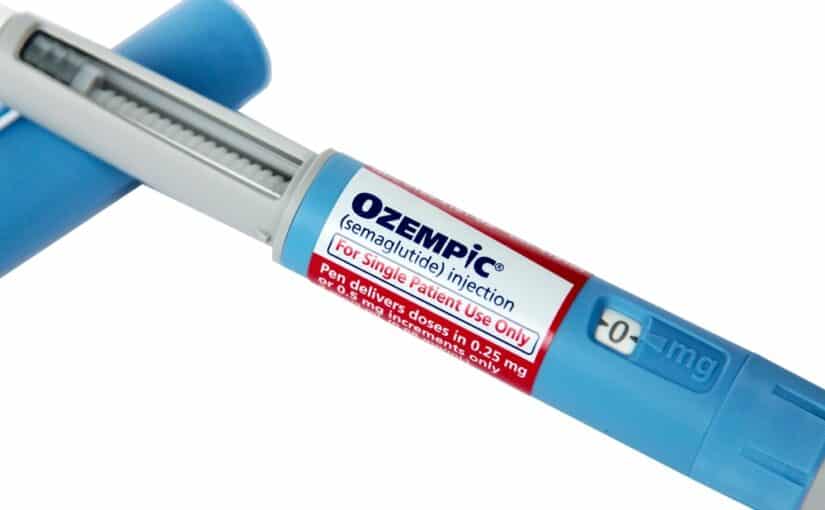
Fast, drugged weight loss does more than change your pant size. When body mass drops rapidly with GLP-1 drugs such as semaglutide (Ozempic), approximately 25 to 33 percent of that loss is lean body mass, not fat. That shift raises risks: reduced strength, lower metabolic rate, and greater long-term health concerns such as insulin resistance, reduced mobility, and higher cardiovascular risk.
Anticipate some loose or mild skin laxity even if you’re looking toned. Skin and connective tissue require time and, sometimes, interventions to adapt. The psychological fallout can be just as real as the physical. Working with mind and body is key to maintaining a chiseled, functional body over the long term.
Body Image
Fight those thoughts of saggy skin, wrinkles, or weird belly contours after weight loss. Thoughts that latch onto flaws expand. Stop and reframe by naming three functional victories: more stamina, better sleep, and less joint pain.
Honor non-scale victories: increased strength, greater flexibility, better health. Snap photos, record increased carrying or climbing power, and log training achievements as victories.
Don’t compare your body to unrealistic social media or ‘ozempic sculpting results’. Photos feature miracles, photoshop, or surgery that aren’t realistic.
Say nice things to yourself and keep good company. Make goals public with a coach or friend who cares about health, not looks, and prune triggers from what feeds you.
- Shock at abrupt transition, even alleviation, can meld with a fading sense of self.
- You begin to get anxious about loose skin, how your clothes fit or how your partner will react.
- Fear of rebound weight gain can fuel strict eating or workout behaviors.
- Self-compassion supports steady progress and reduces harmful cycles.
- Seeking therapy or support groups helps normalize feelings and build coping skills.
Realistic Goals
Aim for attainable fat loss, muscle gain, and skin-tightening milestones customized to your specific body type. Recognize that surgical hope must align with your skin tautness and scar compromise.
Dissect the long-term goals or you will simply get overwhelmed or burned out. A 12-week strength block followed by a 4-week mobility emphasis keeps effort targeted and quantifiable.
Tailor expectations for surgical outcomes or cosmetic interventions to your skin composition and elasticity. No loose skin is completely correctable. Be sure to consult with board-certified specialists and browse through before-and-afters of patients with your body profile.
Measure progress with photos, measurements and fitness landmarks, not just scale weight. Scales do not account for muscle preservation or loss, so use your strength gains, range of motion and energy levels to measure health.
Sustainable Habits
- Fold in sustainable habits
- Add resistance workouts
- Include protein goals
- Set sleep targets
- Plan meal prep for the week
Choose consistency, not perfection, to keep your body strong and lean! Let’s get real: small, steady habits trounce the boom and bust fixes in long term muscle preservation and metabolic health.
Switch up workouts and meal plans so they don’t get bored. A blend of pilates, HIIT, and steady cardio minimizes sarcopenia risk and maintains joint health.
Instead, reward yourself for sustainable habits, not just results. Choose nonfood rewards such as a new training top, a massage, or a skills class.
Cosmetic Interventions
Cosmetic interventions can help you maintain or regain a carved-out appearance after Ozempic weight loss. They span from non-surgical energy-based treatments to surgical body contouring. Timing, realistic goals, skin quality, and consultation with licensed clinicians steer which path suits your needs.
Non-Surgical
Radiofrequency skin tightening, CoolSculpting and Emsculpt Neo all have different objectives. Radiofrequency and microneedling with radiofrequency heat collagen and can lift sagging skin on the face, neck and chest. The results can last up to two years and typically require one to a few sessions.
CoolSculpting freezes little fat pockets and is great for stubborn pockets of flab, but it may require multiple treatments. Emsculpt Neo builds muscle and reduces fat by combining radiofrequency and electromagnetic pulses, preserving a toned silhouette when you maintain exercise.
Topical hyaluronic acid and collagen boosting creams can do wonders to help your skin texture and hydration. These products do help bring out quality and plumpness, but they don’t replace deeper tightening. Radiesse and other injectables provide subtle volume and enhance skin quality.
The effects of Radiesse can linger for approximately six months and are effective in combating ‘Ozempic Face’, a gaunt appearance from facial fat loss that often develops between three to six months of severe weight loss. Regular medical facials and clinic treatments provide mild to moderate enhancement of tone and texture.
Compression garments during maintenance help the skin to retract and prevent swelling and fluid retention after cosmetic interventions. Combo treatments, such as microneedling combined with radiofrequency and topical treatments, typically outperform a singular approach, as they treat texture, laxity, and volume simultaneously.
Surgical
Liposuction, abdominoplasty, arm or thigh lift, and full-body skin excision are among the surgical options. The table below lays out tradeoffs.
| Procedure | Pros | Cons |
|---|---|---|
| Liposuction | Precise fat removal, improved contours | Surgical risks, bruising, temporary swelling |
| Tummy tuck/Body lift | Removes excess skin, reshapes large areas | Longer recovery, visible scarring |
| Arm/thigh lift | Smooths heavy folds, durable results | Scar lines, downtime |
| Reconstructive surgery (combined) | Best for major excess skin after large loss | Higher risk, longer rehab, cost |
Surgical procedures usually pair liposuction with skin removal for an optimal contour. Risks are infection, seroma, and scarring. Recovery takes weeks to months.
It’s typically recommended to wait at least six months after beginning medical weight-loss treatments or surgical interventions before undergoing body contouring, as the skin may continue to contract for a year or longer. Surgical aftercare includes pain management, wound management, and a gradual reintroduction to activity to preserve results and prevent complications.
See medical aesthetic professionals to develop a plan around age, skin elasticity and your ambitions. For cosmetic interventions, we’ve heard from many patients that staged or combo treatments offer the optimal balance of lift, toning and natural shape.
Conclusion
How to maintain a sculpted physique post Ozempic. Target protein at every meal, consume whole foods, and employ a small calorie buffer to reduce weight swing. Pair that with a weekly combination of heavy lifts, targeted single-joint work, and brief cardio intervals. Track progress with photos, tape, and easy strength indicators. Anticipate appetite and mood swings post-discontinuation and preempt them with regularity, sleep, and consistent meals. For really stubborn issues, discuss safe options with a clinician.
An example plan: 1. 30 g protein at breakfast, 25 g at snacks. 2. Three full-body lift sessions at moderate load. 3. Two 10 to 15 minute TABATA-style cardio blasts. Start small, commit, and adapt every 4 weeks.
Frequently Asked Questions
How long do Ozempic body changes last after stopping the drug?
Body modifications differ. Weight and fat distribution can return within months if habits shift. Continue eating healthy and working out to maintain results. Consult with your clinician for individual timelines.
What is the best diet to keep a sculpted body after Ozempic?
Focus on a high-protein, moderate carb, and healthy-fat diet. Focus on whole foods, fiber, and enough calories to keep your metabolism and muscles happy.
How often should I strength train to maintain muscle?
Try to do resistance training 2 to 4 times per week. Utilize progressive overload and hit all the major muscle groups to maintain strength and definition.
Will cardio undo my muscle gains?
No, cardio won’t immediately erase gains. Balance cardio and strength training. Keep sessions moderate and include recovery to protect muscle mass.
Do I need supplements after stopping Ozempic?
Supplements are just a bonus. Protein powder, vitamin D, and omega-3s can give you a boost if your diet is falling short. Talk to your doctor before beginning any supplement.
Can skin sagging be prevented after rapid weight loss from Ozempic?
You can at least partially prevent that. Build muscle, drink water, eat protein, and lose weight slowly. For extreme sagging, dermatologic or cosmetic interventions may be necessary.
Should I consider cosmetic procedures to maintain my shape?
Cosmetic procedures can fine tune the outcome when lifestyle measures fall short. Talk to a board-certified specialist about risks, benefits, and realistic expectations.