
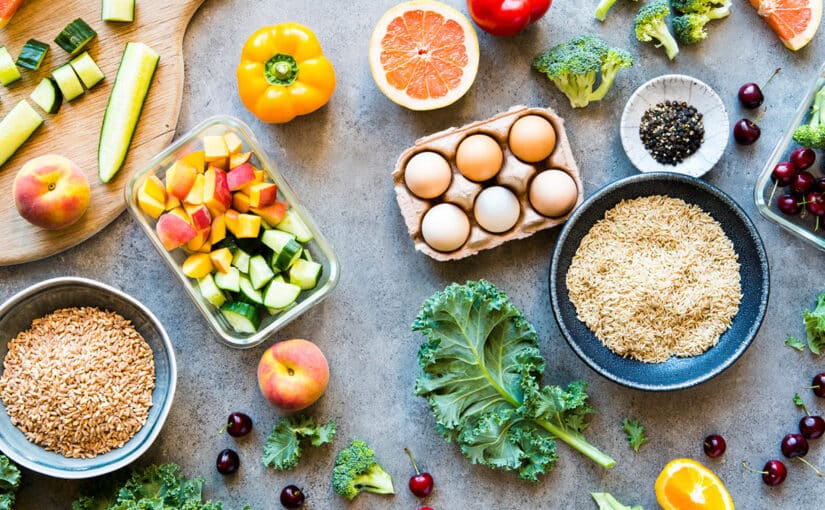
Nutritional intake for optimal healing plays a crucial role in recovery by providing adequate nutrients, supportive nutrients, and nutritious foods. Throughout history, people have recognized the connection between food, healing diet, nutrition facts, health, and wound healing optimising nutrition. Ancient cultures used herbs and natural foods to treat ailments, as a provider for wounds heal and surgery at the site. Today, science backs this wisdom, showing how proper nutrition from food boosts the immune system and speeds up healing after surgery.
Eating the right food and nutrients can reduce inflammation, promote tissue repair, and help wounds heal. Foods rich in vitamins, minerals, and antioxidants are essential for recovery as wounds heal. A balanced diet of food supports overall health and enhances well-being. Understanding this relationship empowers individuals to take charge of their healing journey. Embracing nutrition as a powerful tool can lead to faster recovery and improved quality of life.
Importance of Nutrition in Healing
Wound Healing
Nutrition plays a critical role in wound healing. Proper nutrition provides essential nutrients that support the body’s ability to repair itself. Key nutrients include proteins, vitamins, and minerals. Proteins are vital for building new tissues. Vitamins like A and C aid in collagen formation, which is necessary for skin repair. Minerals such as zinc also promote healing by enhancing immune function.
A lack of these nutrients can lead to slower recovery times. Poor nutrition can impair wound healing significantly. For example, low protein intake may delay the formation of new tissue. This can result in chronic wounds that take much longer to heal.
Healing Process
The healing process involves several stages. These stages include hemostasis, inflammation, proliferation, and remodeling. Each stage requires specific nutrients to progress effectively. During inflammation, the body needs antioxidants to reduce oxidative stress. Nutritional support during this phase can enhance recovery.
In the proliferation phase, adequate calories and protein are crucial. They provide energy and materials needed for new cell growth. Without proper nutritional support, the body may struggle to meet its healing needs. This can prolong the duration of the healing process.
Nutritional Needs
Meeting nutritional needs is essential for optimal wound healing rates. A balanced diet helps fight infections and supports overall recovery. Foods rich in vitamins A, C, E, and K are beneficial. These vitamins help strengthen the immune system and improve skin health.
Hydration is also important in the healing process. Water aids nutrient transport and waste removal from the body. Dehydration can impair wound strength and slow down recovery.
Impairing Factors
Certain factors can impair wound healing as well. Stress, smoking, and chronic diseases can negatively impact nutritional status. Stress increases metabolic demand on the body, requiring more nutrients for recovery. Smoking reduces blood flow and oxygen supply to wounds, hindering healing.
Chronic diseases like diabetes affect how wounds heal too. Diabetic patients often have impaired circulation and reduced immune response. This makes proper nutrition even more critical for their recovery.
Optimal Wound Care
Proper wound care includes monitoring nutrition closely. Healthcare providers should assess dietary habits when treating injuries. They must ensure patients receive adequate nutritional support throughout their recovery journey.
In summary, understanding the importance of nutrition is fundamental for optimal healing outcomes. Providing nutritional value through a balanced diet enhances the body’s ability to recover from injuries effectively.
Key Nutrients for Recovery
Role of Protein
Protein plays a vital role in building, maintaining, and repairing body tissues. It forms the building blocks for muscles, skin, and organs. Without adequate protein, the body struggles to heal after injuries or surgeries.
Protein also supports immune function. Strong immune responses rely on proteins like antibodies. These help fight infections and diseases during recovery. Collagen is a specific type of protein that provides structure to skin, muscles, bones, and connective tissues. It is essential for wound healing and overall recovery.
Role of Vitamin C
Vitamin C aids in collagen production. This vitamin is crucial for maintaining healthy skin and tissues. It enhances wound healing by promoting new tissue growth.
This vitamin has powerful antioxidant properties. It helps protect cells from damage caused by free radicals. Adequate Vitamin C intake can speed up recovery times significantly.
Role of Vitamin A
Vitamin A stimulates collagen production as well. This nutrient is essential for healthy skin and proper healing. It also supports the immune system, making it easier to fight off infections.
Cell growth and differentiation depend on Vitamin A as well. Its role in these processes makes it an important nutrient for recovery from injuries or illnesses.
Role of Zinc
Zinc is critical for protein and collagen synthesis. It helps with tissue growth and repair after injuries. Without zinc, the body cannot effectively heal wounds or recover from stress.
This mineral also supports the immune system. Adequate zinc levels can lead to better resistance against infections during recovery periods.
Role of Iron
Iron provides oxygen to the wound site, which is essential for healing. Oxygen helps cells function properly during recovery processes.
Iron also supports energy production within the body. Low iron levels can lead to fatigue, slowing down recovery times.
In overall healing and recovery, iron plays a significant role. Maintaining adequate iron levels ensures that the body can heal efficiently.
Healing-Boosting Food Categories
Fruits That Aid Recovery
Nutritious fruits play a vital role in recovery. Oranges, strawberries, and kiwis are high in Vitamin C. This vitamin helps boost the immune system and promotes healing.
Antioxidants found in blueberries and cherries help fight inflammation. These fruits protect cells from damage during recovery. Fruits like watermelon have high water content. Staying hydrated is crucial for optimal healing.
Vegetables for Healing
Leafy greens are essential for recovery. Spinach and kale are packed with vitamins and minerals. They support overall health and enhance the healing process.
Cruciferous vegetables such as broccoli and Brussels sprouts provide important nutrients. These veggies contain compounds that help reduce inflammation. Root vegetables like sweet potatoes are also beneficial. They are rich in Vitamin A, which supports immune function.
Whole Grains Benefits
Whole grains offer essential vitamins and minerals needed for recovery. Foods like brown rice, quinoa, and oats provide energy and nutrition.
High fiber content in whole grains aids digestive health. Good digestion allows the body to absorb nutrients effectively. Whole grains also supply sustained energy throughout the day. This energy is critical during the healing process.
Healthy Fats for Recovery
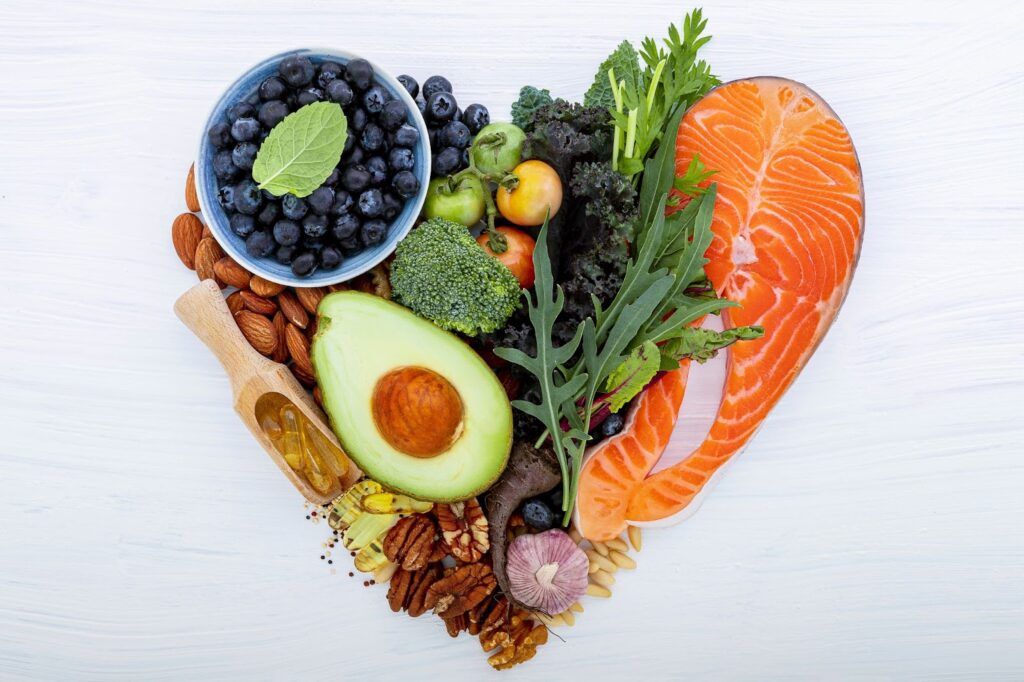
Healthy fats are important for optimal healing. Sources include avocados, nuts, and olive oil. These fats support cell membrane integrity, which is crucial for healing.
Healthy fats also play a role in reducing inflammation. They can help ease pain and swelling during recovery. Including these fats in your diet can improve overall health.
Practical Nutrition Tips for Recovery
Hydration Strategies
Drinking adequate water daily is crucial for healing. Water helps transport nutrients and flush out toxins. Aim for at least eight 8-ounce glasses of water each day. This amount may vary based on activity level and climate.
Incorporating hydrating foods can also boost your fluid intake. Foods like cucumbers, melons, and oranges contain high water content. These options not only hydrate but also provide essential vitamins.
Avoid dehydrating beverages such as alcohol and caffeine. Both can lead to fluid loss. Opt for herbal teas or infused waters instead. Staying hydrated supports overall recovery.
Calorie Management
Adequate calorie intake is essential to provide energy for healing. The body requires extra calories during recovery to repair tissues and fight infection. However, balance is key. Consuming too many calories can lead to weight gain.
Focus on nutrient-dense foods rather than empty calories. Nutrient-dense foods include fruits, vegetables, whole grains, lean proteins, and healthy fats. These foods offer vitamins and minerals that support the healing process.
Understanding how many calories you need can help manage your intake effectively. Tracking your meals can also give insight into your eating habits.
Creative Meal Combinations
Pairing lean proteins with whole grains and vegetables creates balanced meals. For example, grilled chicken with quinoa and steamed broccoli offers protein, fiber, and essential nutrients.
Combining fruits with nuts or seeds makes for a great snack. This mix provides healthy fats along with vitamins and minerals. A handful of almonds with apple slices is both satisfying and nutritious.
Mixing healthy fats into meals enhances flavor and nutrition. Adding avocado to salads boosts heart-healthy fats while providing creaminess. Healthy fats play a role in reducing inflammation during recovery.
Consulting Healthcare Providers
Consulting a healthcare provider is vital for personalized nutritional advice. They can help determine specific dietary needs based on individual circumstances.
Seeking guidance on supplements and multivitamins can also be beneficial. Some individuals may require additional support during recovery phases.
Working with a dietitian can tailor a diet plan for specific healing needs. They can address any dietary restrictions or preferences while ensuring adequate nutrition.
Final Remarks
Nutrition plays a critical role in your healing journey. By focusing on the right nutrients and food categories, you can supercharge your recovery process. Practical tips help you make informed choices, ensuring your body gets what it needs to heal effectively.
Embrace these insights and take action today. Prioritize your nutrition, and watch how it transforms your recovery experience. Your health is worth it, so start making those changes now for a better tomorrow.
Frequently Asked Questions
What role does nutrition play in healing?
Nutrition provides essential nutrients that support the body’s repair processes. Proper intake can enhance recovery speed and improve overall health.
Which nutrients are crucial for recovery?
Key nutrients include protein for tissue repair, vitamins C and D for immune function, and zinc for wound healing. These support optimal recovery.
What foods should I focus on for healing?
Incorporate lean proteins, colorful fruits and vegetables, whole grains, and healthy fats. These food categories provide vital nutrients for recovery.
How can hydration affect healing?
Staying hydrated aids nutrient transport and waste removal. It also helps maintain energy levels, which is vital during recovery.
Are there specific diets recommended for healing?
A balanced diet rich in whole foods is ideal. The Mediterranean diet or anti-inflammatory diets can be particularly beneficial for recovery.
Can supplements aid in recovery?
Supplements can help fill nutritional gaps but should not replace whole foods. Consult a healthcare professional before starting any new supplement regimen.
How often should I eat to support healing?
Aim for regular meals and snacks throughout the day. This ensures a steady supply of nutrients to promote continuous healing.