
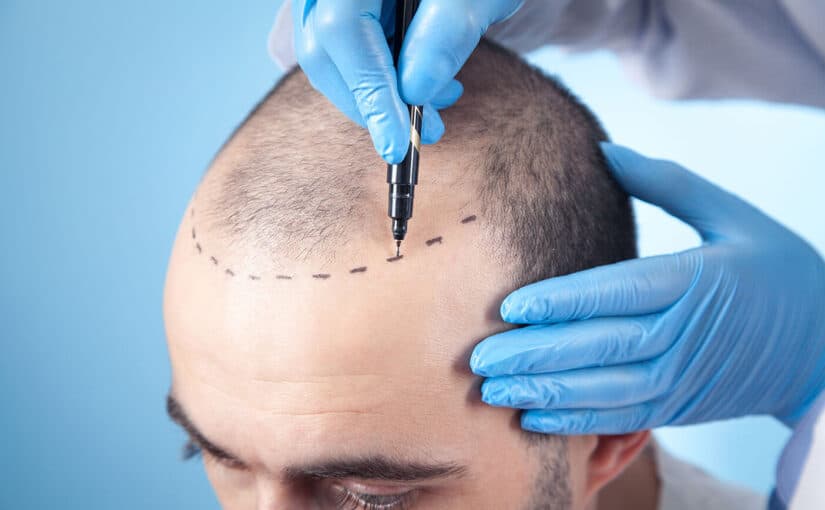
Hair transplant techniques have revolutionized the approach towards solving hair loss, offering a blend of science and artistry for those seeking restoration. This procedure, not just about regaining lost strands but enhancing self-confidence, has become a beacon of hope for many. With advancements in technology, the methods and success rates have significantly improved, making it more accessible and appealing. However, navigating through the options requires understanding the nuances that differentiate one technique from another. This post aims to demystify hair transplants, guiding you through essential considerations before taking this transformative step.
Understanding Hair Transplant Pain
Minimal Discomfort
Hair transplant procedures are known for being low in pain. This is because they are often performed under local anesthesia, which numbs the scalp. Patients usually feel pressure but not sharp pain during the procedure.
The level of discomfort can vary from person to person. Some people might find it almost pain-free, while others may experience mild discomfort. Factors such as individual pain thresholds and the technique used (FUE or FUT) play a role here.
Post-Operative Soreness
After the surgery, it’s common to feel some soreness in both the donor and recipient areas. This soreness is typically manageable with prescribed pain relievers or over-the-counter medications.
Patients should expect some swelling and tenderness around these areas for a few days post-operation. Following your surgeon’s aftercare instructions carefully can help minimize discomfort and ensure a smoother recovery process.
To manage post-operative soreness effectively:
- Take all prescribed medications as directed.
- Apply ice packs if recommended by your surgeon to reduce swelling.
- Avoid strenuous activities that might increase blood flow to the scalp.
Types of Hair Transplant Techniques and Associated Pain
FUE Method
Follicular Unit Extraction (FUE) is a popular hair transplant technique. It involves removing individual hair follicles from the skin. This method may cause less discomfort for patients. The main reason is its minimally invasive nature.
During FUE, small punches are used to extract hair follicles. This results in tiny scars that heal quickly. Patients often report minimal pain during and after the procedure.
FUT Method
Follicular Unit Transplantation (FUT) is another type of hair transplant. It requires removing a strip of scalp from the back of the head. This method can lead to more pronounced scalp tightness and tenderness.
The strip removal process in FUT creates a linear scar. Healing takes longer compared to FUE. Some patients experience significant discomfort due to this technique.
Pain Management
Both methods offer ways to manage pain effectively.
- Needle-free anesthesia can reduce initial procedure pain.
- It works by delivering anesthesia without traditional needles.
- This innovation provides comfort for patients who fear injections.
Pain management techniques have evolved over time.
- They aim at making hair transplants as comfortable as possible.
- Most people find these procedures tolerable with proper care and medication.
Anaesthesia Options in Hair Transplantation
Local Anesthesia
Local anesthesia is the go-to choice for hair transplant procedures. It ensures that the patient feels no pain during surgery. The local anesthetic is applied directly to the scalp. This numbs the area, making it possible to undergo the procedure comfortably.
Doctors use a small needle for this process. Patients might feel a slight prick initially. But soon, the area becomes numb. This allows surgeons to work without causing discomfort.
Sedation Options
For patients who feel anxious about surgery, sedation options are available. These help patients relax and sometimes even sleep through their procedure. Sedation can be administered alongside local anesthesia for added comfort.
There are different levels of sedation, from mild to deep. The doctor will suggest the best option based on your needs and health condition.
Topical Numbing Agents
Topical numbing agents offer another layer of comfort before injections are given. They are applied as creams or gels on the scalp’s surface where injections will occur.
These agents lessen the sensation of needle pricks significantly. They’re especially useful for those who have a fear of needles.
Pain Management During and After Surgery
Over-the-Counter Relief
After a hair transplant, managing pain is crucial. Pain killers are often the first step. Doctors typically recommend over-the-counter options. These can effectively handle the discomfort.
Patients should always follow their medical team’s advice on dosage. It’s important to avoid any complications. Remember, every patient’s tolerance varies.
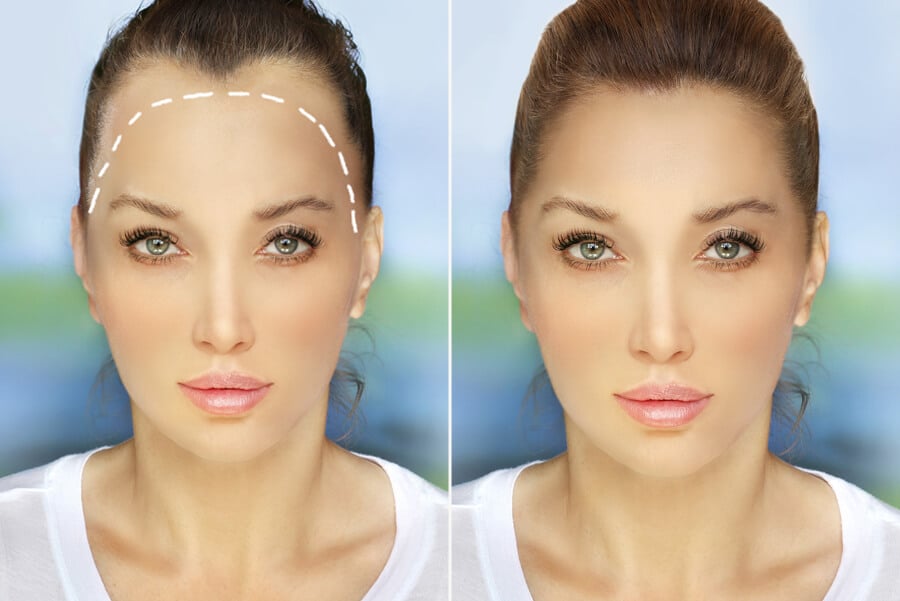
Ice Packs
Swelling is common after surgery due to trauma from incisions and injections. Ice packs can be a simple yet effective solution. They not only reduce swelling but also alleviate pain around the treated area.
Applying ice packs for short periods during the first few days post-surgery can offer significant relief. However, direct contact with the scalp should be avoided to protect healing incisions.
Elevated Sleep
Sleeping in an elevated position helps minimize overnight discomfort significantly. This position aids in reducing swelling by improving blood circulation away from the surgical site.
Using extra pillows or a recliner chair for sleeping during the initial recovery phase is advised by many doctors.
The Hair Transplant Recovery Process
Initial Healing
After a hair transplant, the initial healing phase is crucial. Patients may notice scab formation around the transplanted follicles. This is a normal part of the recovery process.
The scalp might show signs of redness and swelling during this period. It’s important to follow post-operative care instructions carefully to ensure healthy healing.
Swelling Management
Swelling typically peaks around 2-3 days post-operation. To manage it, patients can use cold compresses as advised by their doctor.
Elevating the head when sleeping also helps reduce swelling significantly. These small steps are essential for a smoother recovery journey.
Returning to Normal
Most patients find they can return to their daily activities within a week after their hair transplant surgery. However, it’s vital to avoid strenuous activities that could impact the healing process.
Following your surgeon’s advice closely will aid in achieving optimal results and promoting healthy hair growth from the transplanted follicles.
Long-Term Pain and Healing Time After Transplant
Recovery Timeline
Full recovery from a hair transplant can take up to 12 months. Initially, patients may experience swelling, redness, and some discomfort. However, these symptoms typically subside within the first few weeks.
The true test of patience comes in waiting for new hair growth. It begins around the third month but reaches significant visibility by six to nine months. By the 12-month mark, most patients see the full benefits of their transplant.
Chronic Pain
Chronic pain after a hair transplant is not common. If you experience persistent discomfort beyond the expected healing time, it’s crucial to consult your doctor. This could indicate an underlying issue that needs medical attention.
In most cases, any long-term discomfort is minimal and manageable with proper care.
Proper Aftercare
Proper aftercare plays a vital role in both accelerating healing and minimizing long-term discomfort. Here are key steps to follow:
- Keep the scalp clean and moisturized.
- Avoid direct sunlight on the donor site.
- Follow your surgeon’s instructions regarding medications or topical treatments.
Adhering to these guidelines not only ensures a smoother recovery but also reduces risks related to scarring and infection.
Patient Experiences with Hair Transplant Pain
Mild Discomfort
Most patients undergoing a hair transplant report experiencing mild to moderate pain. This discomfort is usually manageable with over-the-counter or prescribed medication. The intensity of pain can vary from person to person, but it’s generally considered tolerable.
Pain management strategies often include taking pain relievers and following the surgeon’s aftercare instructions carefully. Some individuals might feel slight discomfort immediately after the procedure, which gradually diminishes over a few days.
Individual Variability
Individual experiences with hair transplant procedures significantly differ. While some patients describe the process as almost pain-free, others may encounter more noticeable discomfort during or after the surgery.
Factors influencing these variations include personal pain thresholds and the specific techniques used during transplantation. Despite these differences, many agree that any experienced discomfort is short-lived compared to the long-term benefits of restoring their hairline.
Summary of Hair Transplant Pain Considerations
Pain Management
Most people find the pain from a hair transplant low and manageable. This is good news for anyone worried about discomfort. With the right care, the slight pain doesn’t last long.
Doctors often prescribe medication to help with any pain after surgery. These meds make recovery smoother and more comfortable for patients.
Technique Matters
The type of hair transplant technique used can affect how much discomfort you feel. Some methods are less invasive than others, leading to different levels of pain during and after the procedure.
For instance, FUE (Follicular Unit Extraction) might offer a quicker recovery with less discomfort compared to traditional strip harvesting techniques.
Patient Testimonials
Many patients share their stories online, talking about their fears and experiences. Despite initial worries about pain, most say they’re happy with their decision.
These testimonials can be very reassuring if you’re considering a hair transplant yourself.
Understanding the nuances of pain associated with hair transplants aids individuals in setting realistic expectations and preparing adequately for the procedure. It’s clear that while discomfort is a part of the process, advancements in techniques and anesthesia options have significantly mitigated pain during and after surgery. The recovery process, although variable among patients, generally follows a predictable pattern, with long-term pain being an uncommon issue. Patient experiences highlight the importance of choosing a qualified surgeon and following post-operative care instructions to minimize discomfort and enhance healing.
Considering the comprehensive overview of hair transplant pain, it’s imperative for prospective patients to engage in thorough research and consultations with medical professionals before deciding on the procedure. This proactive approach ensures a well-informed decision-making process, potentially leading to more satisfactory outcomes. For further guidance or to schedule a consultation, individuals are encouraged to contact a reputable hair transplant specialist.
Frequently Asked Questions
Is hair transplant surgery painful?
Hair transplant procedures are generally performed under local anesthesia, minimizing pain during the operation. Patients may experience mild discomfort or soreness post-surgery, which is usually manageable with prescribed pain medication.
What types of hair transplant techniques exist?
There are primarily two types of hair transplant techniques: Follicular Unit Transplantation (FUT) and Follicular Unit Extraction (FUE). Both methods involve relocating hair follicles but differ in how these follicles are extracted and transplanted, impacting the associated pain levels slightly.
What anesthesia options are available for a hair transplant?
Local anesthesia is commonly used during hair transplants to numb the scalp. In some cases, sedatives may also be administered to help patients relax throughout the procedure.
How can pain be managed during and after a hair transplant surgery?
Pain management includes administering local anesthetics during the procedure and prescribing over-the-counter or prescription pain relievers for post-operative care. Following the surgeon’s aftercare instructions closely also aids in managing discomfort effectively.
What does the recovery process look like after a hair transplant?
The recovery process involves initial scalp tenderness, swelling, and possibly bruising that subsides within a few days to weeks. Patients can typically return to work within 2-5 days but should avoid strenuous activities until fully healed as advised by their surgeon.
How long does it take to heal completely from a hair transplant, including long-term pain considerations?
Complete healing from a hair transplant can take up to 12 months for full results. Long-term pain is rare; however, occasional sensations of numbness or itching may persist in treated areas as they heal fully.
Are patient experiences with hair transplant pain consistent across different individuals?
Patient experiences vary due to individual tolerance levels and procedural specifics such as technique used and extent of transplantation area. However, most patients report that any discomfort experienced was manageable with proper care and medication.