
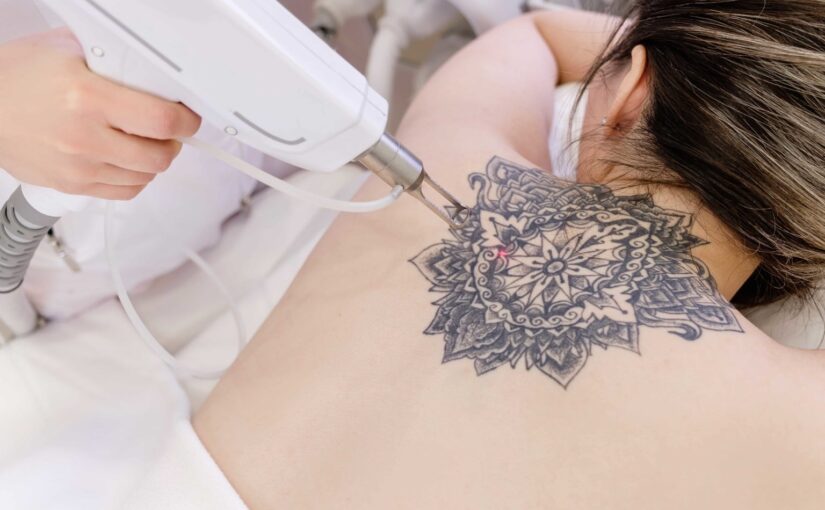
Ever wondered if you can get rid of tattoo removal scars with laser treatment or laser surgery? Tattoo removal scar treatment has advanced, offering effective solutions. Whether it’s laser therapy, creams, natural remedies, tattoo treatment, tattoo scar removal, or tattoo removal procedures, options abound to help your skin heal and look its best. Understanding these treatments, including tattoo procedures and laser tattoo removal sessions, can save you time and money while boosting your confidence.
In this post, we’ll explore the best methods for treating tattoo removal scars, including laser treatment and laser surgery. We’ll cover everything from professional treatments to DIY approaches. By the end, you’ll know which option suits you best, whether it’s laser surgery, tattoo procedures, tattoo treatment, or laser removal. Say goodbye to those stubborn scars and hello to clearer skin with tattoo removal creams, laser surgery, and other tattoo procedures!
Understanding Tattoo Scars
Tattoo Scars Defined
Tattoo scars are different from normal healing. They happen when the skin’s deeper layers are damaged and scar during the tattooing process. This results in raised, discolored, or distorted skin. Normal healing after tattoo procedures involves redness and peeling, which usually resolves within a few weeks.
Tattoo scars can be hypertrophic or keloid. Hypertrophic scars are thick and raised but remain within the tattooed area. Keloid scars extend beyond the tattooed area and can be more severe.
Early Signs of Scarring
Recognizing early signs of scarring is crucial. Early intervention can prevent permanent damage. Look for these signs:
- Prolonged redness
- Excessive swelling
- Raised bumps or hard areas
If any of these symptoms persist beyond the usual healing time after tattoo procedures or tattoo treatment, it may indicate scarring. Consulting a dermatologist early can help manage tattoo procedures, tattoo scar, and cost tattoo removal effectively.
Importance of Aftercare
Aftercare plays a significant role in preventing tattoo scars. Proper care helps the skin heal correctly after tattoo procedures and reduces the risk of complications. Follow these key steps:
- Keep the tattoo clean and dry.
- Use recommended ointments to promote healing.
- Avoid scratching or picking at the tattoo.
Moisturizing is also essential. Dry skin can crack and lead to scarring. Use a fragrance-free moisturizer to keep the skin hydrated and reduce scar visibility.
Professional Help
etimes, professional help is necessary to treat tattoo scars. Treatments like laser therapy and steroid injections can reduce scar appearance. Laser therapy targets scar tissue and breaks it down over multiple sessions.
Steroid injections help flatten raised scars. These treatments, such as shoulder surgery scar tattoo or scoliosis surgery scar tattoo, should be done by certified professionals to avoid further damage.
Causes of Tattoo-Related Scars
Improper Techniques
Tattoo scarring often results from improper techniques. Tattoo artists must use the correct needle depth. Going too deep can damage the skin. This causes excessive bleeding and tissue trauma. Using unsterilized equipment can also lead to infections. Infections may result in problematic tattoo scars.
Inadequate Aftercare
Aftercare is crucial for preventing scars. Fresh tattoo wounds need proper care to heal well. Failing to clean the area can lead to infections. Infections increase the risk of hypertrophic tattoo scars. Keeping the wound dry and covered helps in healing. Applying ointments and avoiding sun exposure are essential steps.

Individual Healing Responses
Everyone heals differently. Some people have a higher risk of scarring due to genetics. Conditions like keloids can cause extensive scarring. Keloidal tattoo scars are raised and thickened areas of skin. People with sensitive skin may develop superficial scarring more easily.
Laser Removal Complications
Laser tattoo removal can cause scarring as well. Achromic laser tattoo scars are white, colorless marks left after treatment. Improper laser settings can burn the skin, leading to permanent scars. Multiple sessions increase the risk of permanent scarring.
Exploring Scar Treatment Options
Scar-Fading Ointments
Scar-fading ointments can help reduce tattoo scars. These creams often contain ingredients like silicone, which is known to improve scar texture. Silicone gels create a protective layer over the scar. This helps retain moisture and reduces collagen production.
Popular brands include Mederma and Bio-Oil. They need to be applied daily for several weeks. Results may vary depending on the severity of the scar.
Natural Remedies
Aloe vera is a popular natural remedy for scars. It has anti-inflammatory properties that can soothe the skin and scar. Applying aloe vera gel directly to the scar can help reduce redness and swelling.
Honey is another natural option. It has antibacterial properties and helps in skin regeneration. Using honey as a mask over the scar can promote healing.
Microdermabrasion Kits
Microdermabrasion kits are available for home use. They work by exfoliating the top layer of the skin, reducing the appearance of scars. This process removes dead skin cells, scar tissue, and encourages new cell growth.
Using these kits regularly can improve the appearance of tattoo scars. However, it’s important to follow the instructions carefully to avoid skin damage and scar.
Delving into Tattoo Removal Methods
Traditional Techniques
Traditional tattoo removal methods often involve invasive procedures. Laser tattoo removal is one of the most common scar techniques. It uses laser light to break down tattoo ink particles without causing a scar. Multiple sessions are usually required. This method can lead to scarring, especially if not done by a professional.
Surgical excision is another traditional method. It involves cutting out the tattooed skin and stitching the scar area back together. This procedure is highly invasive and almost always results in scars. Dermabrasion is a less common technique that sands down the skin layers containing the tattoo. It also has a high risk of scarring.
Less Invasive Options
Less invasive options for tattoo removal are available. Chemical peels use acids to remove the top layers of the skin, which can help fade tattoos over time. This method is less likely to cause scarring but might require multiple treatments.
Tattoo removal creams offer another less invasive option. These creams aim to fade the tattoo ink gradually. However, their effectiveness varies, and they rarely remove tattoos completely. They are less likely to cause scars compared to surgical methods but might not work for everyone.
Professional Consultation
Consulting with dermatologists is crucial for successful tattoo removal. Dermatologists can assess your skin type and the tattoo characteristics. This helps in creating a personalized removal plan that minimizes risks.
A dermatologist can recommend the best method for your specific case. They can also guide you through the tattoo removal process, including possible side effects and aftercare steps. This reduces the chances of incomplete tattoo removal and scarring.
Cost Considerations
The cost of tattoo removal varies widely based on the chosen method and number of sessions required. Laser removal tends to be more expensive due to multiple sessions needed. Surgical excision, while quicker, can also be costly due to its invasive nature.
Less invasive methods like chemical peels and creams are generally cheaper but might take longer to show results. It’s essential to weigh these costs against the potential risks of scarring and incomplete removal.
Laser Removal Procedure
Basic Steps
Laser tattoo removal involves several steps. First, a certified laser tattoo removal technician will assess the tattoo. They check its size, color, and location. Next, they clean the area to be treated. Then, they apply a numbing cream to reduce discomfort.
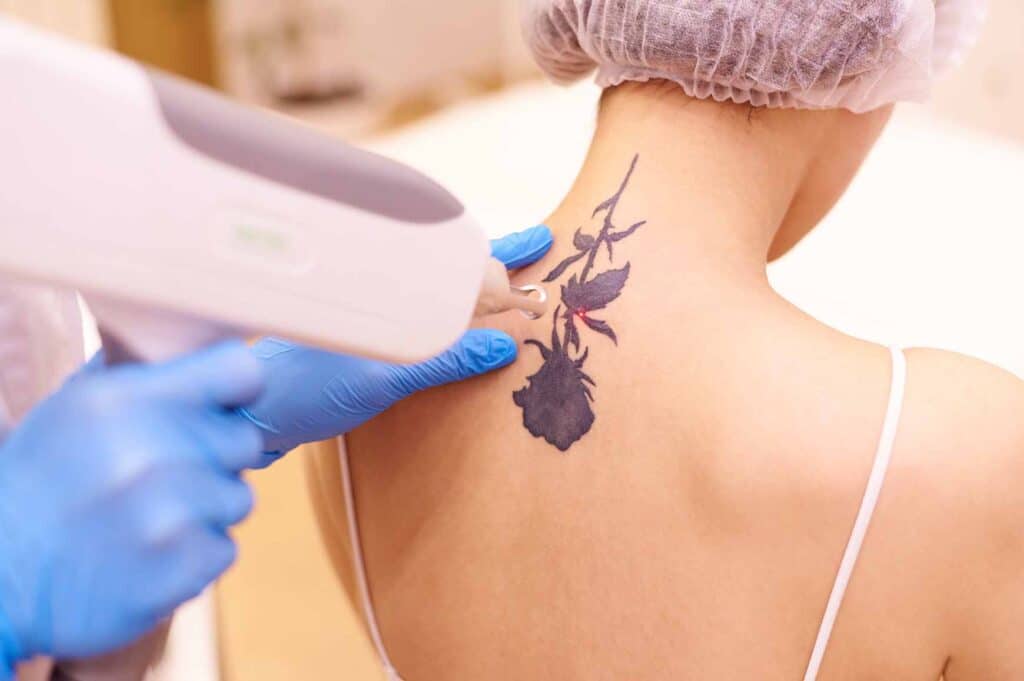
During the procedure, lasers emit pulses of light. These light pulses break down the ink particles in the skin. The body’s immune system then removes these particles over time. Multiple laser treatments are often needed for complete removal.
Types of Lasers
Different types of lasers are used in tattoo removal. The most common ones include Q-switched lasers and picosecond lasers. Q-switched lasers are effective for dark inks like black and blue. Picosecond lasers work well on lighter colors such as red and yellow.
Achromic laser tattoo removal scars can occur if not done correctly. Proper technique is crucial to avoid scarring. Certified technicians know how to minimize risks and improve results.
Pain and Side Effects
Laser tattoo removal can be painful. Most people describe it as feeling like a rubber band snapping against the skin. Numbing creams help reduce this pain. Some clinics also use cooling devices during the procedure.
Common side effects include redness, swelling, and blistering. These usually subside within a few days. Rarely, more severe side effects like infection or scarring can occur. Following aftercare instructions helps prevent complications.
Treatment Sessions
Laser tattoo removal treatment requires multiple sessions. Each session lasts about 10 to 30 minutes, depending on the tattoo’s size and color. Sessions are spaced 4 to 6 weeks apart to allow the skin to heal.
The number of sessions varies based on several factors:
- Ink color
- Tattoo age
- Skin type
- Tattoo size
Darker inks generally require fewer sessions than lighter inks. Older tattoos are easier to remove because some ink has already faded.
Importance of Multiple Sessions
Effective Removal
Multiple sessions are crucial for effective tattoo removal. Each session targets different layers of ink in the skin. Laser treatments break down the ink particles, which the body then absorbs and eliminates. One session cannot remove all the ink. The process requires time and repetition.
Tattoo Size
The size of the tattoo influences the number of sessions needed. Larger tattoos have more ink and cover more skin area. They require more laser passes to break down the ink particles. Smaller tattoos may need fewer sessions but still require multiple treatments.
Tattoo Color
Tattoo color also affects the number of sessions required. Darker colors like black and blue absorb laser light more efficiently. They usually fade faster than lighter colors. Colors like green and yellow are harder to remove and need more sessions.
Skin Recovery
Spacing sessions appropriately is important for skin recovery. The skin needs time to heal between treatments. Sessions should be spaced 6-8 weeks apart to allow proper healing. This reduces the risk of scarring and other complications.
Skin Type
Different skin types respond differently to laser treatments. Darker skin tones may need more sessions due to higher melanin levels. Lighter skin tones often see faster results with fewer sessions.
Achieving Complete Removal
Realistic Expectations
Tattoo removal techniques have improved. However, complete removal can still be challenging. Some tattoos fade but leave a faint outline or shadow. This is especially true for older tattoos or those with dense ink.
Dark inks like black and blue are easier to remove. Light colors like yellow and green are more stubborn. They require more sessions and may not disappear entirely.
Ink Colors Challenges
Not all ink colors respond the same to laser treatments. Black ink absorbs light well, making it easier to break down. Other colors reflect light differently, complicating the process.
Green and yellow inks are resistant to lasers. They often need specialized wavelengths for treatment. These colors may take longer to remove and could leave traces behind.
Importance of Patience
Patience is crucial in tattoo removal. Each session must be spaced weeks apart to allow skin healing. Rushing the process can lead to scarring or skin damage.
Following post-care instructions is vital too. Proper care helps prevent infections and promotes better healing. It also ensures the best outcome from each session.
Post-Care Instructions
After each session, avoid direct sunlight on the treated area. Sun exposure can cause pigmentation issues. Applying sunscreen when going outside is recommended.
Keep the area clean and moisturized. Use gentle products to avoid irritation. Avoid picking at scabs, as this can lead to scarring.
Professional Guidance
Consulting with a professional ensures the best results. They can assess your tattoo and recommend the most effective treatment plan. They also provide advice on managing expectations and caring for your skin.
Post-Removal Skin Care
Immediate Care
After tattoo removal, the skin needs immediate attention. Apply an antibiotic ointment to the treated area. This helps prevent infection and promotes healing. Cover the area with a sterile bandage for at least 24 hours.
Change the bandage daily. Keep the area clean and dry. Avoid using harsh soaps or scrubbing the skin.
Hydration
Hydrate your skin to aid recovery. Use fragrance-free moisturizers. Aloe vera gel can soothe irritation and redness. Drink plenty of water to keep your skin hydrated from within.
Avoid lotions containing alcohol, as they can dry out the skin. Opt for products with natural ingredients.
Pain Management
Pain is common after tattoo removal. Over-the-counter pain relievers like ibuprofen can help reduce discomfort. Applying a cold compress can also alleviate swelling and pain.
Do not use ice directly on the skin. Wrap it in a cloth before applying to avoid frostbite.
Sun Protection
Sun protection is crucial during recovery. Exposure to UV rays can cause further damage and darken scars. Use a broad-spectrum sunscreen with SPF 30 or higher.
Wear protective clothing over the treated area when outdoors. Avoid direct sun exposure, especially during peak hours.
Avoiding Irritants
Avoid products that may irritate the treated area. This includes perfumes, makeup, and certain skincare products. Stick to gentle, hypoallergenic products until your skin fully heals.
Refrain from swimming in pools or hot tubs. Chlorine and other chemicals can irritate the healing skin.
Scar Treatment Products
Use scar treatment products to minimize scarring. Silicone gel sheets are effective in flattening and fading scars. Apply them as directed by your dermatologist.
Vitamin E oil can also help improve the appearance of scars. Massage it gently into the skin daily.
Healthy Diet
A healthy diet supports skin healing. Include foods rich in vitamins A, C, and E in your diet. These vitamins promote collagen production and repair damaged skin cells.
Eat plenty of fruits, vegetables, nuts, and seeds. Avoid processed foods high in sugar and unhealthy fats.
Follow-Up Visits
Regular follow-up visits with your dermatologist are important. They can monitor your progress and recommend additional treatments if necessary.
Report any unusual symptoms like excessive redness, swelling, or pus discharge immediately.
Summary
Tattoo removal and scar treatment can be a complex journey, but understanding the process helps you make informed decisions. From recognizing the causes of scars to exploring various treatments and aftercare, each step is crucial for achieving the best results.
Ready to take action? Consult with a professional to discuss your options and start your path to clear skin. Your commitment to proper care and patience will pay off. Don’t wait—begin your journey today!
Frequently Asked Questions
What causes tattoo-related scars?
Tattoo-related scars can be caused by improper tattooing techniques, infections, or the body’s natural healing process. Overworking the skin or using unsterile equipment can also lead to scarring.
How does laser tattoo removal work?
Laser tattoo removal uses high-intensity light beams to break down ink particles in the skin. The body then naturally eliminates these particles over time.
Is multiple sessions necessary for complete tattoo removal?
Yes, multiple sessions are typically required. Each session targets deeper layers of ink, gradually fading the tattoo until complete removal is achieved.
What are common scar treatment options after tattoo removal?
Common treatments include silicone gel sheets, corticosteroid injections, and laser therapy. These methods help reduce the appearance of scars and promote skin healing.
How can I care for my skin post-tattoo removal?
Keep the area clean and moisturized. Avoid sun exposure and follow any aftercare instructions provided by your specialist to prevent infection and promote healing.
Are there risks associated with laser tattoo removal?
Yes, risks include temporary redness, swelling, blistering, and potential scarring. Choosing a qualified professional reduces these risks significantly.
Can all tattoos be completely removed?
While many tattoos can be significantly faded or removed, some colors and inks are more challenging to eliminate. Consult with a specialist to understand your specific case.